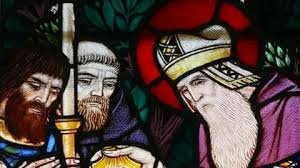
Ireland: A Legacy Etched in Folklore and Faith
Each year on March 17th, the world celebrates St. Patrick’s Day, commemorating the patron saint of Ireland. While often associated with the Emerald Isle, St. Patrick’s influence extends far beyond its shores, deeply interwoven with the history and folklore of places like the Isle of Man. But who was St. Patrick, and why does his legacy resonate so strongly across these lands?
From Enslavement to Sainthood: The Life of St. Patrick
Born in Wales around 373 AD during the Roman era, Patrick’s early life took a dramatic turn when he was enslaved and brought to Ireland as a teenager. After escaping and reuniting with his family, he dedicated his life to the priesthood and, remarkably, returned to Ireland as a missionary in 432 AD. He is famously credited with bringing Christianity to Ireland – and, according to legend, banishing snakes from the island.
The Isle of Man: A Shared Heritage
The Isle of Man’s connection to St. Patrick dates back to approximately 444 AD, mirroring the narrative found in Ireland. James Franklin, of Culture Vannin, explains, “The story is the same between us and Ireland – that he came here, brought Christianity, banished snakes and his mark is left all over the Isle of Man.” This influence is visible in the island’s folklore, place names, and the dedications of churches and holy wells.
While historical accounts document St. Patrick’s presence on the Isle of Man, the line between history and folklore is often blurred. The absence of snakes on both Ireland and the Isle of Man is generally attributed to geographical isolation and climate, but folklore offers a more fantastical explanation.
Tales of Miracles and Sea Beasts
The folklore surrounding St. Patrick on the Isle of Man is rich and varied. One captivating tale, preserved in the fairytales of Sophia Morrison, recounts how St. Patrick rode to the island on horseback, becoming lost in the mist. Alerted by the island’s animals to a lurking sea beast, he miraculously turned the creature to stone. He then leapt onto Peel Hill, where a holy well sprung up, and banished “venomous beasts, visible devils, and a multitude of magicians.”
Remarkably, the petrified sea beast is said to be visible today – a large rock with a pointed back rising from the sea, its head appearing at low tide.
A Lasting Presence in the Manx Landscape
St. Patrick’s name is deeply embedded in the Isle of Man’s geography and culture. The Parish of Patrick, St Patrick’s Isle (home to Peel Castle), and the village of Ballakilpheric (meaning “the farm of the Church of Patrick” in Manx Gaelic) all bear his name. Furthermore, the parish church in Jurby is dedicated to him, along with 18 keeills (small chapels) and 13 holy wells – more than any other named saint on the island.
This widespread dedication underscores St. Patrick’s profound importance to the people of the Isle of Man throughout history. His “special relationship” with the island endured even after the Reformation in the 16th century, with Manx people maintaining a spiritual connection to these sacred places, often independent of official church teachings.
A Continuing Legacy
Today, these sites continue to hold meaning and resonance, even for those not affiliated with the Christian faith. The story of St. Patrick serves as a powerful reminder of the enduring influence of faith, folklore, and cultural heritage. Learn more about St. Patrick’s influence on the Isle of Man from the BBC.
Further Reading: Explore more about St. Patrick’s Day celebrations and history on History.com.