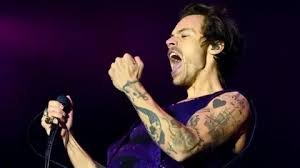
Harry Styles’ New Album: A Deep Dive into ‘Kiss All The Time, Disco Occasionally’
When Harry Styles concluded his Love On Tour in the summer of 2023, it marked 22 months on the road – or was it the culmination of 13 years since One Direction’s formation in 2010? The singer had been consistently in the public eye. His solo career, launched in 2017, yielded three albums in five years, culminating in Harry’s House, a Grammy and Brit Award-winning masterpiece. But the relentless pace took its toll.
“It was time for me to stop for a bit and pay some attention to other parts of my life,” Styles recently shared with The Times. He questioned his reliance on the “dopamine hits” of performing, admitting, “I hadn’t actually removed myself from it and it’s hard to eliminate the doubt that maybe if it all went away, I’d really miss it.”
A Reset in Italy and a Rediscovery of Passion
Approaching his 30th birthday, Styles sought refuge in Italy, a period of recalibration that included taking up marathon running. More importantly, he needed to “fall in love with music all over again,” experiencing it from a fan’s perspective. “I went to see LCD Soundsystem a couple times… and it was just so joyous, when you’re watching them be so immersed in it,” he told BBC Radio 1’s Greg James. This inspired him to recapture that feeling of pure immersion on stage, influencing the direction of his new music.
‘Kiss All The Time, Disco Occasionally’: A Sonic Shift
So, how do these experiences translate into Kiss All The Time, Disco Occasionally? The title might suggest a return to dance-floor anthems, but the reality is far more nuanced. While bass-heavy and driven by funky syncopation and intricate drumming (often featuring Tom Skinner of Sons Of Kemet), it’s a departure from the hedonistic disco of Studio 54.
The album draws inspiration from a diverse range of artists, including LCD Soundsystem, 1980s experimentalists like Tom Tom Club and Art of Noise, and even the post-punk energy of Gang Of Four. Styles even referenced Durutti Column, a surprising nod to the instrumental guitar music of the Manchester act. (A reference that surprised Durutti Column frontman Vini Reilly himself, who admitted he had to Google Styles!).
Lyrical Depth and Existential Themes
The album’s sonic complexity is mirrored in Styles’ vocal delivery, with gauzy harmonies often floating independently of the beat. This creates a sense of unease that permeates the lyrics, which explore themes of unstable relationships, self-doubt, and questioning intentions. Tracks like “The Waiting Game” (“I’m holding out / Do you love me now? / Do you?”) and “Coming Up Roses” reveal a vulnerability and uncertainty rarely heard in mainstream pop.
Styles also confronts his past, rejecting the “squeaky clean fantasy” of his One Direction days on tracks like “Pop,” confessing a desire to break free from imposed expectations. “Paint By Numbers” delves deeper, exploring the weight of public perception and the impact of his fame. He reflects on “holding the weight of the American children whose hearts you break.”
Navigating Crossroads and Maintaining Connection
Kiss All The Time, Disco Occasionally is a deeply personal album, a testament to Styles’ willingness to confront complex emotions and artistic challenges. It’s a far cry from the straightforward joy of “Watermelon Sugar” or the yearning of “As It Was,” but Styles wisely avoids alienating his fanbase entirely. Lead single “Aperture” emphasizes the enduring power of love, while “American Girls” boasts a swagger that promises to ignite stadium crowds. The playful “Dance No More” even incorporates a chant of “respect your mother.”
Ultimately, the album feels like a portrait of an artist at a crossroads, bravely dwelling in a state of limbo. It’s a compellingly knotty work that showcases Styles’ artistic growth and willingness to take risks. Read more about the album on BBC News.
Recent News: The 70th Eurovision Song Contest will take place in Vienna after Austrian singer JJ won the 2025 event. The former Beatles drummer’s new album features collaborations with Sheryl Crow and Billy Strings. The Take That star was only 11 years old when he began performing to patrons at Connah’s Quay Labour Club.