The gaming world is experiencing a powerful wave of nostalgia. From re-releases of classic titles to dedicated retro gaming events, the demand for a trip down memory lane is stronger than ever. And now, GameStop, a name synonymous with gaming for decades, is capitalizing on this trend with a significant push into the refurbished retro console market.
GameStop’s Retro Play: What’s Happening?
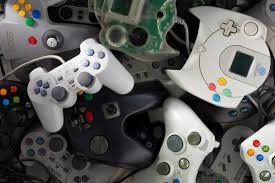
GameStop isn’t just selling new games and consoles anymore. They’ve begun aggressively acquiring, refurbishing, and reselling classic consoles like the Nintendo Entertainment System (NES), Super Nintendo Entertainment System (SNES), Sega Genesis, and even PlayStation 1. This isn’t a small-scale operation; GameStop is actively promoting these retro consoles both in-store and online, offering a curated selection with varying price points. The move is a direct response to the growing demand for vintage gaming experiences.
Why the Retro Console Boom?
Several factors are fueling this retro gaming renaissance. Firstly, nostalgia plays a huge role. Many gamers who grew up with these consoles are now adults with disposable income, eager to relive their childhoods. Secondly, retro games often offer a simpler, more focused gaming experience compared to modern titles. The lack of microtransactions, DLC, and complex mechanics appeals to players seeking a more straightforward and enjoyable pastime. Finally, the collectibility aspect is significant. Rare and well-preserved retro consoles and games can fetch high prices, making them attractive investments for collectors. You can find more information about the collector’s market at PriceCharting, a leading resource for video game price tracking.
GameStop’s Strategy: A Smart Move?
For GameStop, entering the retro console market is a strategically sound decision. The company has faced challenges in recent years with the shift towards digital game distribution. Offering refurbished retro consoles provides a new revenue stream and leverages their existing retail infrastructure. It also allows them to tap into a passionate and growing community of retro gamers. However, success hinges on quality control. Consumers expect refurbished consoles to be in good working order, and GameStop’s reputation will be on the line if they fail to deliver. They’ll need to ensure rigorous testing and offer reliable warranties.
What Does This Mean for Gamers and Collectors?
The increased availability of retro consoles through GameStop could make these classic systems more accessible to a wider audience. However, it also raises questions about pricing. Will GameStop offer competitive prices, or will they capitalize on the demand and charge a premium? For collectors, the influx of refurbished consoles could potentially impact the value of certain items, although rare and highly sought-after games and consoles will likely remain valuable. Resources like Retro Gaming Rounds offer valuable insights into the retro gaming community and market trends.
The Future of Retro Gaming
GameStop’s move is a clear indication that retro gaming is here to stay. As technology continues to evolve, the appeal of simpler, more nostalgic gaming experiences will likely grow. We can expect to see more companies entering the retro console market, offering a wider range of options for gamers and collectors. The future looks bright for those who appreciate the golden age of video games. For a deeper dive into gaming history, check out IGN’s History of Video Games.