Game of Thrones: The Prophecy Hidden in ‘Winter is Coming’ and Bran’s Ascension
“Winter is Coming,” the pilot that launched a cultural phenomenon, celebrates its 15th anniversary today. Looking back, it’s clear how that first hour of television laid the groundwork for nine years of groundbreaking entertainment – and a finale that, for many, felt… unsatisfying. But was that ending truly a deviation, or was it subtly foreshadowed from the very beginning?
The Ending as a Culmination
When evaluating a series finale, it’s crucial to consider it not just as a concluding plot point, but as the culmination of the entire narrative. What was the story for? Game of Thrones concluded in 2019 with Bran Stark seated on the Iron Throne (or what remained of it), a twist that shocked many. However, a closer examination of the pilot episode reveals clues that, in retrospect, make Bran’s ascension surprisingly logical.
Bran: The Initial Focus
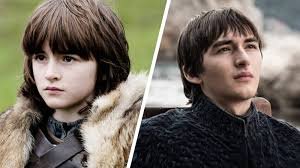
After the chilling prologue, the pilot quickly establishes Bran Stark as a central point-of-view character. Like the first novel, we experience the enchanting Winterfell and the vast North through Bran’s eyes, witnessing the arrival of King Robert and the seemingly opulent, yet subtly menacing, Lannisters. While a protagonist doesn’t automatically become king – Frodo didn’t rule Gondor, nor did Harry Potter become Prime Minister – Bran’s prominence is a significant hint at George R.R. Martin’s intentions.
As Tyrion Lannister famously observes, “I have a tender spot in my heart for cripples, bastards and broken things.” Game of Thrones consistently champions these marginalized characters. This is why Jon Snow’s Targaryen heritage, while a revelation, immediately complicates his position. Martin consistently demonstrates a preference for characters who are flawed or overlooked.
Foreshadowing in the Pilot
Thirteen minutes into the pilot, a striking moment of foreshadowing occurs. As Ned Stark prepares to execute a Night’s Watch deserter, reciting his vows – “King of the Andals and the First Men” – the camera cuts to a shot of both Jon and Bran. While some interpreted this as a hint towards Jon’s eventual claim to the throne, the inclusion of Bran is often overlooked.
The Fall and its Echoes
The pilot culminates in Bran’s fall from the tower, orchestrated by Jaime Lannister. This event mirrors Jaime’s earlier act of killing the Mad King, a seemingly altruistic deed that tarnished his reputation. Ironically, attempting to silence Bran ultimately sets in motion events leading to Jaime’s own redemption and, indirectly, to the best possible outcome for Westeros.
The Mythological Roots of Bran’s Kingship
The beauty of fantasy lies in its ability to resonate with archetypal narratives. A Targaryen restoration, however, feels incongruous with the series’ cynical portrayal of monarchy. Bran, however, embodies a different kind of ruler, drawing parallels to figures in Welsh mythology like Brân the Blessed, a king who sacrifices himself and continues to offer wisdom even after death. Similarly, the Arthurian Fisher King, often linked to Brân, is a ruler tasked with protecting his land and a sacred object, despite physical limitations.
These legends emphasize a connection between a king’s strength and the health of the land. In Game of Thrones, Westeros is a world of unpredictable seasons and turbulent nature. Bran’s ascension, as the Three-Eyed Raven, suggests a ruler attuned to the land’s mystical forces, allowing it to find a semblance of balance. His inability to father children ensures a future where Westeros must evolve beyond hereditary rule.
A Subversion of Expectations?
While the ending may have felt jarring to some, it aligns with Martin’s thematic concerns. Game of Thrones wasn’t about finding a perfect ruler; it was about the complexities of power and the inevitability of compromise. The series initially presented Bran as a faux protagonist, only to subvert expectations. The show prioritized spectacle – death, dragons, and intrigue – over the deeper mythological undercurrents present in the books.
Ultimately, Game of Thrones was a story about “cripples, bastards, and broken things.” It simply didn’t fully trust its audience to embrace that truth. The pilot episode contained all the necessary clues, but the series often prioritized what was popular over what was narratively consistent.
What are your thoughts on the ending? Share your opinions below!
Further Reading:
- Smithsonian Magazine: The Real History Behind Game of Thrones
- The Guardian: Game of Thrones ending: why Bran Stark was the only logical choice