Big Arch: The McDonald’s CEO Burger Blunder and the Rise of Food Influencer Authenticity
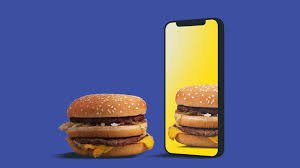
If you’re going to showcase a product online, you’d better do it convincingly. Recently, Chris Kempczinski, the CEO of McDonald’s, ate a burger. And it didn’t go well. The burger in question was the Big Arch, the company’s newest offering, and the issue stemmed from a video.
In the video, Kempczinski, looking polished in a beige sweater, carefully picks up the burger and offers a polite assessment. He refers to it as a “product,” describes the bun as “unique,” and takes a small bite, declaring it “so good” before moving on. While not explicitly dishonest, his delivery lacked the enthusiastic endorsement expected in today’s marketing landscape.
The Internet Reacts
The internet quickly responded. A post on X (formerly Twitter) succinctly captured the sentiment: “This man does not eat McDonald’s.” Burger King, Wendy’s, Jack in the Box, and A&W all chimed in, and soon, news outlets reported that Kempczinski was “under fire.” The reaction was disproportionate, but it highlighted a crucial shift in how brands and their leaders are perceived online.
The Big Arch video was unsettling because it exposed the tension between traditional corporate marketing and the demands of the internet’s influencer-driven economy. It’s a lesson in what happens when the logic of food influencerdom collides with the realities of running a global business.
The Old-School CEO in a New-School World
Kempczinski is, by all accounts, a classic corporate leader: Harvard MBA, extensive experience at PepsiCo and Kraft Foods, and a generally serious demeanor. He became McDonald’s CEO in 2019. His public persona, as one commenter noted, “screams kale salad,” not a thousand-calorie burger. His recent Instagram posts focused on international travel tips, including exercise and avoiding alcohol.
However, he now operates in an environment where CEOs are expected to be celebrities, and celebrities are building consumer empires. Figures like Elon Musk and Donald Trump dominate online discourse, while Rihanna and Ryan Reynolds have successfully leveraged their fame into thriving businesses. The line between personal branding and product promotion has become increasingly blurred.
Relatability Over Authority
Today’s internet prioritizes relatability over authority and often mistakes informality for authenticity. This explains why corporate social media accounts adopt a casual, even teenage-like tone (McDonald’s recently posted about “crush” and reward points) and why the “get ready with me” video format remains popular. This is also why Kempczinski likely filmed the Big Arch video in the first place.
In the food world, the most effective marketing involves enthusiastic taste tests, ideally delivered by someone who appears genuinely excited and can convey that enthusiasm memorably. Influencers, like the team behind the VIP List on TikTok, have mastered this art, offering hyperbolic reviews – a good hamburger is “crack,” a bad one is “traumatizing.” Their reactions are visceral and their analysis straightforward. It’s a performance, but it feels genuine.
Kempczinski’s Misstep
Kempczinski’s mistake wasn’t eating the burger; it was his attempt to *act* like an influencer without possessing the necessary charisma. He projected the wrong kind of authenticity. He doesn’t appear to be a regular McDonald’s customer, and his speech is more polished than the average social media user. He’s a LinkedIn executive in a TikTok world – a traditional CEO attempting to navigate a landscape dominated by professional charisma machines.
In a restaurant setting, his burger consumption would have seemed perfectly normal. But as content, it fell flat. It lacked the energy and enthusiasm expected from today’s food reviewers. The incident underscores the evolving expectations of online audiences and the importance of authenticity in the age of the influencer.
Source: TheAtlantic.com