Experience the Magic: How to Use the Northern Lights Forecast for Your Next Adventure
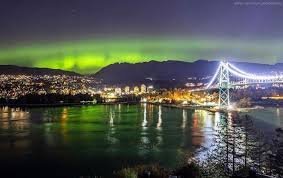
There is perhaps nothing more breathtaking than witnessing the dancing ribbons of green, purple, and red stretching across a velvet night sky. For many travelers and nature lovers in Canada, tracking the northern lights forecast is the first step toward experiencing this celestial masterpiece known as the Aurora Borealis.
But how do you actually know when the lights will appear? And where is the best place to stand to get that perfect shot? In this guide, we break down everything you need to know to plan your trip.
Understanding the Northern Lights Forecast
The Northern Lights are caused by solar particles colliding with Earth’s magnetic field. To predict their appearance, scientists monitor solar activity. When looking at a northern lights forecast, you will often encounter the Kp-index.
- n
- Kp 0-2: Low activity. Auroras are usually visible only in high-latitude regions (like the Far North).
- Kp 3-5: Moderate activity. The lights move further south, becoming visible in more parts of Canada.
- Kp 6-9: High activity/Geomagnetic storm. This is the “jackpot” where the aurora can be seen much further south and with intense colours.
Best Locations in Canada for Aurora Viewing
Canada is one of the premier destinations globally for aurora hunting. Depending on your location and the current forecast, these spots offer the best visibility:
- n
- Yellowknife, Northwest Territories: Often cited as the best place in North America due to its clear skies and high latitude.
- Whitehorse, Yukon: A stunning combination of mountain landscapes and frequent aurora displays.
- Churchill, Manitoba: Famous for polar bears, but equally magical for those chasing the lights.
- Jasper and Banff, Alberta: While further south, these dark-sky preserves offer a dramatic backdrop for moderate solar storms.
Essential Tips for Your Aurora Hunt
To make the most of your experience, preparation is key. Don’t just rely on the northern lights forecast; consider these environmental factors:
- Seek Dark Skies: Get as far away from city lights (light pollution) as possible.
- Check the Cloud Cover: Even the strongest solar storm won’t be visible if the sky is overcast. Use a local weather app to ensure clear skies.
- Dress in Layers: Temperatures in aurora-prime zones can drop drastically. Thermal layers are non-negotiable.
- Be Patient: The lights can appear and disappear in minutes. Set up your camp and stay alert.
Recommended Tools for Tracking
To stay updated in real-time, we recommend using high-authority resources to track space weather. The NOAA Space Weather Prediction Center is the gold standard for monitoring solar flares and geomagnetic storms that trigger the aurora.
Whether you are a professional photographer or a first-time viewer, keeping a close eye on the northern lights forecast will transform your trip from a game of chance into a guaranteed memory of a lifetime.
Ready to head north? Pack your warmest gear and keep your eyes on the horizon!