Winona Ryder: Reliving Her Most Iconic 1990s Movie Roles
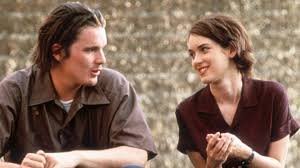
The Definitive Guide to Winona Ryder’s Legendary 90s Run
In the 1990s, few actresses captured the zeitgeist quite like Winona Ryder. Transitioning from the ultimate goth teen icon to a powerhouse dramatic actress, Ryder’s decade was defined by versatility and a fearless approach to role selection. With back-to-back Oscar nominations and a penchant for working with visionary directors, she became the face of indie spirit and cinematic elegance.
Whether she was playing a Puritan, an android, or a heartbroken romantic, Winona Ryder brought an intensity to the screen that remains unmatched. Let’s take a nostalgic journey through 10 of her most influential films from the 90s.
The Rise of a Cinema Icon: Early 90s Hits
- Mermaids (1990): In this charming coming-of-age story, Ryder stars as Charlotte Flax, a Jewish teenager navigating her identity while living with her eccentric mother (played by Cher). The film earned her a Golden Globe nomination and established her as a formidable talent.
- Edward Scissorhands (1990): A cornerstone of 90s surrealism. Directed by Tim Burton, this suburban fairy tale paired Ryder with Johnny Depp. Her role as Kim Boggs provides the emotional heart of the story, helping the film maintain a stellar Rotten Tomatoes score of 92%.
- Bram Stoker’s Dracula (1992): Working with Francis Ford Coppola, Ryder took on the role of Mina Harker. This visually opulent production was a massive box-office success and showcased Ryder’s ability to lead a high-budget epic.
The Critical Peak: Oscar-Worthy Performances
As the decade progressed, Winona Ryder shifted into high-drama territories, earning critical acclaim and industry awards.
- The Age of Innocence (1993): Under the direction of Martin Scorsese, Ryder delivered a nuanced performance as May Welland. This role earned her first Oscar nomination for Best Supporting Actress, proving her range in period pieces.
- Little Women (1994): Perhaps her most beloved role, Ryder stepped into the shoes of Jo March. This performance was deeply personal and earned her a second consecutive Oscar nomination, this time for Best Actress.
Defining Gen X and Experimenting with Genre
Beyond the prestige dramas, Winona Ryder embodied the angst and aspiration of a generation.
- Reality Bites (1994): The quintessential Gen X movie. Ryder’s Lelaina represents the struggle of post-college life. The film is also remembered for the chart-topping hit “Stay (I Missed You)” by Lisa Loeb.
- How to Make an American Quilt (1995): A quieter, more intimate film where Ryder explores family roots and female friendship, supported by a powerhouse ensemble including Maya Angelou.
- The Crucible (1996): In this adaptation of Arthur Miller’s play, Ryder plays the manipulative Abigail Williams, showcasing her ability to play darker, more antagonistic characters.
- Alien Resurrection (1997): Venturing into sci-fi, Ryder played the android Annalee Call. Despite the challenging production, the film was a global commercial success, expanding her reach into blockbuster franchises.
- Girl, Interrupted (1999): Closing out the decade, Ryder served as both executive producer and lead actress in this psychological drama. Her portrayal of Susanna Kaysen is a haunting look at mental health and societal constraints.
Why Winona Ryder Still Matters Today
Winona Ryder’s 90s trajectory wasn’t just about fame; it was about artistry. By balancing quirky indie projects with sweeping historical dramas, she paved the way for future actresses to be both commercial stars and critical darlings. Her legacy continues to influence cinema, blending a unique vulnerability with an undeniable screen presence.
Which Winona Ryder movie is your favorite? Whether it’s the gothic charm of Tim Burton or the emotional depth of Little Women, there is no denying her impact on film history.
📰 You May Also Like