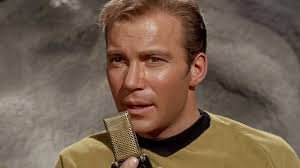
A Diamond Anniversary for a Sci-Fi Masterpiece
As Star Trek approaches its monumental 60th anniversary, it is the perfect moment to reflect on the milestones that shaped this galactic phenomenon. While the franchise has expanded into countless series and films, the heart of its legacy remains rooted in the Original Series and the magnetic presence of William Shatner as Captain James T. Kirk.
Among the most poignant gems of the first season is the episode “Balance of Terror.” Celebrating its own diamond anniversary, this episode isn’t just a piece of sci-fi history; it’s a masterclass in tension and character development that showcases the very best of Shatner’s portrayal of the legendary captain.
The Psychological War: Kirk vs. The Romulans
Written by Paul Schneider, “Balance of Terror” is less of a space adventure and more of a psychological thriller. Drawing heavy inspiration from Cold War-era submarine movies—specifically the classic The Enemy Below—the episode pits the USS Enterprise against an invisible foe: a Romulan Bird of Prey.
The brilliance of the episode lies in its suspense. The Romulans, introduced here as calculating and mysterious adversaries, remain unseen for much of the narrative, creating a cat-and-mouse game where William Shatner’s Kirk must rely on tactical genius and nerves of steel to survive.
Beyond the Stars: A Timeless Lesson on Bigotry
While the tactical battle is riveting, the true core of the episode is its exploration of prejudice. Through the character of Lieutenant Stiles, the show illustrates how hatred can persist even in a future of interstellar travel. Stiles’ xenophobic vitriol toward Spock serves as a catalyst for one of the most defining moments in Captain Kirk’s leadership.
In a scene that still resonates today, Kirk delivers an unassailable reprimand that defines the moral compass of the series:
“Leave any bigotry in your quarters. There’s no room for it on the bridge.”
This moment solidifies the ideals established by Gene Roddenberry: a vision of a multicultural, inclusive future where empathy and respect outweigh ancestral hatred. It demonstrates that Kirk was not just a commander of a ship, but a guardian of human decency.
The Cinematic Influence and Lasting Impact
The depth of “Balance of Terror” is further enriched by the mutual respect that develops between Kirk and the unnamed Romulan Commander. Their eventual face-to-face encounter over the hailing screens reveals a tragic symmetry. The Commander’s admission—“You and I are of a kind. In a different reality, I could have called you friend”—highlights the tragedy of war and the commonality of the soldier’s experience.
For those looking to dive deeper into the lore of the Original Series, visiting the Memory Alpha wiki provides an exhaustive look at the Romulan Star Empire and the tactical maneuvers used in this episode.
Why William Shatner’s Performance Still Matters
Looking back, it’s clear that William Shatner brought a unique blend of authority, vulnerability, and moral clarity to the role. By balancing the aggression of a warrior with the wisdom of a diplomat, he created a blueprint for leadership that has influenced generations of viewers.
- Tactical Brilliance: Kirk’s ability to outthink a cloaked enemy.
- Moral Authority: His refusal to tolerate bigotry on his ship.
- Humanity: His willingness to beam wounded enemies aboard for medical aid.
Sixty years later, the legacy of Star Trek and the performance of William Shatner remind us that the greatest discoveries aren’t found in new planets, but in our capacity for empathy and communication across the deepest of divides.