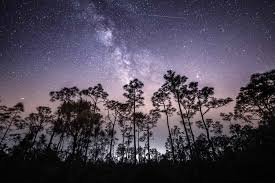
Upcoming Meteor Showers: Your Ultimate Guide to Stargazing the Best Celestial Events
There is something profoundly humbling about looking up at a clear night sky and witnessing a streak of light pierce through the darkness. Whether you are a seasoned astronomer or someone who simply enjoys the magic of the universe, keeping track of upcoming meteor showers is the key to experiencing one of nature’s most breathtaking spectacles.
But what exactly causes these celestial fireworks, and when should you grab your blanket and head outside? In this guide, we break down everything you need to know to make the most of the next cosmic display.
What Exactly is a Meteor Shower?
A meteor shower occurs when Earth passes through a trail of debris left behind by a comet or an asteroid. As these tiny particles—called meteoroids—hit our atmosphere at incredible speeds, they burn up due to friction, creating the brilliant streaks of light we call “shooting stars.”
According to NASA, these events are periodic, meaning they happen at the same time every year as Earth reaches the same point in its orbit around the Sun.
The Most Anticipated Upcoming Meteor Showers
While there are many small events throughout the year, a few standout showers are famous for their intensity and brightness. Here are the ones you cannot miss:
- n
- The Perseids (August): Widely considered the best shower of the year due to its high frequency of bright meteors and warm summer nights.
- The Geminids (December): Known for being reliable and producing multicolored streaks. This shower is often the strongest of the year.
- The Leonids (November): Famous for occasional “meteor storms” where thousands of meteors can be seen per hour.
- The Quadrantids (January): A sharp but brief peak that kicks off the astronomical year.
Pro Tips for the Best Viewing Experience
You don’t need an expensive telescope to enjoy upcoming meteor showers—in fact, your naked eyes are the best tool for the job. However, a few strategic moves can significantly improve your view:
1. Escape the City Lights
Light pollution is the enemy of stargazing. To see the faintest meteors, drive away from urban centers to a “dark sky” location. The darker the environment, the more “shooting stars” you will spot.
2. Let Your Eyes Adjust
It takes about 20 to 30 minutes for your eyes to fully adapt to the darkness. Avoid looking at your smartphone screen during this time, as the blue light will reset your night vision.
3. Be Patient and Comfortable
Meteor watching is a game of patience. Bring a reclining lawn chair or a thick blanket to lie flat on your back. This allows you to see the widest portion of the sky without straining your neck.
4. Use a Stargazing App
While you don’t want to stare at your phone, using an app to locate the radiant point (the area of the sky where the meteors seem to originate) can help you orient yourself. Sites like Space.com provide excellent real-time tracking and calendars for these events.
Final Thoughts
The universe provides us with these stunning displays every year, reminding us of the vastness and beauty of the cosmos. By marking the dates of upcoming meteor showers on your calendar and following a few simple tips, you can turn a regular night into an unforgettable experience.
Ready to explore? Clear your schedule, find a dark spot, and get ready to make a wish on the next shooting star!