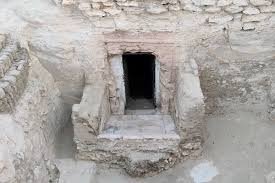
The Eternal Allure of the Ancient Tomb
Throughout human history, the concept of the tomb has evolved from a simple place of rest into a grand statement of power, spirituality, and legacy. From the golden masks of Egypt to the silent stone guards of China, these structures are more than just burial sites; they are time capsules that offer a glimpse into the beliefs and ambitions of civilizations long gone.
Why are we so fascinated by the idea of a hidden tomb? It is the combination of mystery, the promise of treasure, and the profound encounter with the afterlife that continues to captivate historians and adventurers alike.
The Most Iconic Tombs That Defy Time
Across the globe, certain sites stand out for their architectural brilliance and the mysteries they still hold. Here are a few of the most captivating examples:
- The Great Pyramids of Giza: Perhaps the most famous tomb complexes in existence. Built as eternal resting places for the Pharaohs, these structures continue to baffle engineers and archaeologists with their precision.
- The Terracotta Army (Qin Shi Huang): In China, the first emperor’s tomb is guarded by thousands of life-sized clay soldiers. Interestingly, the actual burial chamber of the emperor remains unopened to this day, fueling theories about mercury rivers and hidden traps.
- The Valley of the Kings: A royal burial ground in Egypt where the tomb of Tutankhamun was discovered, revealing a wealth of gold and artifacts that changed our understanding of ancient Egyptian luxury.
The Role of Archaeology in Modern Discovery
Modern technology is changing how we explore the ancient tomb. With the use of LiDAR, ground-penetrating radar, and DNA analysis, researchers can now peer inside sealed chambers without disturbing the remains. These non-invasive methods allow us to respect the sanctity of the dead while unlocking the secrets of the living who built them.
For those interested in the scientific approach to these discoveries, the National Geographic Society provides extensive coverage on current archaeological breakthroughs worldwide.
Preserving Our Global Heritage
Many of these sites are now protected by UNESCO World Heritage status. Preservation is critical because every stone and inscription in an ancient tomb provides vital data about ancient languages, social hierarchies, and early religious practices.
The struggle against tomb raiding and environmental decay remains a constant battle for conservators, ensuring that future generations can continue to learn from these silent witnesses of history.
Conclusion: What the Tombs Tell Us About Ourselves
Ultimately, the study of the tomb is a study of humanity. It reflects our universal desire to be remembered and our collective attempt to understand what happens after the final curtain falls. Whether they are hidden in a mountain or towering over a desert, these sites remind us that while life is fleeting, the legacy we leave behind can endure for millennia.