The Legacy of Wayne June: Why Darkest Dungeon Refused to Use AI for Its Iconic Narrator
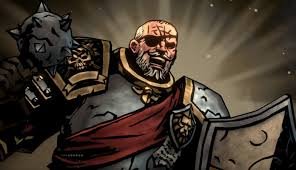
In the world of gaming, few voices are as instantly recognizable and atmospheric as that of Wayne June. As the narrator of Darkest Dungeon, June didn’t just read lines; he breathed a grim, sorrow-filled soul into the game’s oppressive environment. His performance became the heartbeat of the experience, punctuating every narrow victory and crushing defeat with a masterfully delivered baritone.
Following the heartbreaking news of his passing in January 2025, a conversation began among fans and developers: Could generative AI be used to bring his voice back for future installments, such as a potential Darkest Dungeon 3?
A Rare Stand for Artistic Integrity
While the industry is increasingly leaning toward AI-driven solutions to solve casting dilemmas, director Chris Bourassa and Red Hook Studios have drawn a firm line in the sand. Despite receiving permission from June in one of his final emails to train an AI on his voice—a gesture Bourassa believes was an act of selflessness to help the team and fans—the studio has officially declined.
“I would never, ever erode his incredible and timeless performances by teaching a machine to sound like him,” Bourassa stated. “His voice and delivery was human, and I’m forever grateful I got to write for him.”
The Ethical Divide in Modern Gaming
The decision by Red Hook Studios stands in stark contrast to other giants in the industry. The use of AI to mimic deceased actors is becoming a contentious topic in the gaming community:
- n
- Cyberpunk 2077: CD Projekt Red utilized generative AI to recreate the voice of the actor who played Viktor Vektor in the Polish version after his passing in 2021.
- Fortnite: Epic Games employed AI technology to allow James Earl Jones to continue voicing Darth Vader.
- Industry Pushback: Many professionals, including Deus Ex voice actor Elias Toufexis, have voiced strong opposition to the AI-swapping of human performances.
Why Human Performance Matters
Wayne June’s work, particularly in Darkest Dungeon 2, showcased a level of nuance and ambient tension that a machine simply cannot replicate. His “singular baritone and masterful cadence” were not just technical assets; they were emotional tools that elevated the storytelling to a higher art form.
By refusing to “resurrect the ghost” of Wayne June through algorithms, Red Hook Studios is preserving the sanctity of human art. They remind us that the imperfections, the passion, and the soul of a human performance are what make a game truly timeless.
Wayne June’s contribution to the industry is woven into the fabric of the dark fantasy genre, leaving behind a legacy that no machine can ever truly mimic.