Beyond the Spectacle: A New Side of Zack Snyder
Known for the sweeping visuals of 300 and the polarizing scale of the DC cinematic universe, Zack Snyder has built a career on grandeur. However, his latest project, The Last Photograph, represents a radical departure. Instead of green screens and massive budgets, Snyder embraced the raw, unpredictable elements of nature and the intimacy of independent filmmaking.
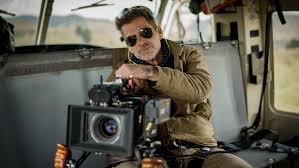
In a daring move, Snyder stripped away the studio safety nets, spending a grueling week in the depths of the Amazon jungle. This wasn’t just a filming location; it was a trial by fire. Fighting triple-digit heat and an undiagnosed case of COVID-19, Snyder took on the dual role of director and cinematographer, carrying the weight of his passion project—literally—on his shoulders.
From Studio ‘Products’ to ‘Tone Poems’
For two decades, Snyder transitioned from high-end commercials to some of the most scrutinized blockbusters of the century. But The Last Photograph is different. Without a major studio or streaming giant calling the shots, Snyder found a creative freedom he hadn’t experienced in years.
“When you make a big studio movie, there’s a lot of things to consider about the product… The why of the movie is completely different,” Snyder explains.
By removing the pressure to sell toys or launch sequels, the film evolves into what Snyder describes as a “tone poem”—an experience designed for emotional resonance rather than commercial viability.
The Plot: A Haunting Quest for Redemption
Set in an unnamed South American country, The Last Photograph follows a harrowing narrative: a heroin-addled war photographer who is the sole surviving witness to a brutal mass murder involving a diplomat and his wife. The story transforms into a spiritual odyssey when the diplomat’s brother arrives, leading the two men deep into the wilderness in search of kidnapped children.
While the project began as a spy thriller, a personal tragedy—the loss of his daughter, Autumn—shifted the film’s core. It has since evolved into a meditation on death and redemption, exploring how different souls perceive the world through the lens of grief.
A Return to Roots: The Art of the Handheld Camera
In a surprising twist for fans of his stylized slow-motion, The Last Photograph eschews the typical “Snyder hallmarks.” There are no cranes, no video villages, and virtually no CGI. Instead, the film relies on:
- n
- Handheld Cinematography: Creating a sense of urgent, raw intimacy.
- Agile Production: A lean 32-day shoot, significantly shorter than his studio epics.
- Naturalism: Utilizing real locations in Colombia to evoke genuine atmosphere.
This return to his music video and commercial roots allowed Snyder to move with a speed and agility impossible in the world of blockbuster filmmaking, focusing on the purity of the moment rather than the perfection of the pixel.
What’s Next for Zack Snyder?
While The Last Photograph marks a contemplative peak in his career, Snyder isn’t abandoning his love for genre-defying cinema. He is currently preparing a remake of the John Carpenter classic Escape from New York, aiming to capture the same audacity that defined the 1981 original.
As the film prepares for its premiere at the Toronto International Film Festival (TIFF), it stands as a testament to Snyder’s evolution: a director who has mastered the art of the spectacle, only to realize that sometimes, the most powerful images are the ones captured without a safety net.