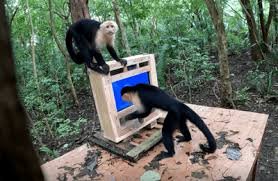
The Incredible Intelligence of Capuchin Monkeys: Nature’s Little Geniuses
When we think of highly intelligent animals, chimpanzees and dolphins usually steal the spotlight. However, there is a small but mighty primate that deserves just as much attention: the capuchin. Known for their curiosity, problem-solving skills, and mischievous personalities, capuchin monkeys are true marvels of the animal kingdom.
Whether you are a wildlife enthusiast or simply curious about nature, understanding the complexity of the capuchin’s mind reveals a lot about evolution and primate behavior.
What Exactly is a Capuchin Monkey?
Capuchins are New World monkeys native to Central and South America. They are divided into two main groups: the sapajus (robust capuchins) and the cebus (gracile capuchins). While they may look similar to the untrained eye, their cognitive abilities and social structures are what truly set them apart.
Their most striking feature is not just their agile bodies, but their exceptional brain-to-body mass ratio, which contributes to their advanced cognitive functions.
The Master Tool-Users of the Jungle
One of the most fascinating aspects of the capuchin is its ability to use tools—a trait once thought to be exclusive to humans and great apes. In the wild, capuchins have been observed using heavy stones as hammers and flat rocks as anvils to crack open hard nuts.
- n
- Precision: They don’t just hit the nut; they position it carefully to ensure it breaks without wasting energy.
- Learning: Young capuchins learn these skills by observing their elders, demonstrating a sophisticated form of social learning.
- Adaptability: They can adapt their tool choice based on the hardness of the food source.
For more detailed research on primate cognition, National Geographic offers incredible insights into how these animals interact with their environment.
Social Dynamics and Emotional Intelligence
Capuchins live in complex social groups where hierarchy and cooperation are key. Their social bonds are strengthened through mutual grooming, which serves as both a hygiene practice and a way to reduce stress and resolve conflicts within the troop.
They are highly communicative, utilizing a wide array of vocalizations and facial expressions to warn others of predators or to signal the discovery of a rich food source. This level of social intelligence allows them to survive in competitive jungle ecosystems.
Common Misconceptions: Can Capuchins Be Pets?
Due to their intelligence and cute appearance, some people consider the capuchin as a pet. However, experts strongly advise against this. Capuchins are wild animals with complex emotional and social needs that cannot be met in a domestic setting.
As they reach sexual maturity, their behavior can become unpredictable and aggressive. Furthermore, keeping these primates often fuels the illegal wildlife trade, threatening their survival in the wild. The best way to appreciate a capuchin is by supporting conservation efforts and observing them in their natural habitats.
Conclusion: Why Capuchins Matter
The capuchin monkey is more than just a clever primate; it is a window into the evolution of intelligence. From their impressive use of tools to their intricate social webs, they remind us that brilliance comes in all sizes.
By protecting the rainforests of Central and South America, we ensure that these little geniuses continue to thrive and surprise us with their capabilities for generations to come.