The Future of James Bond Movies: Why a Period Piece is the Ultimate 007 Reboot
With the curtain closing on Daniel Craig’s legendary tenure in No Time to Die, the cinematic world is buzzing with a single question: Who is the next 007, and where does the story go from here? While casting rumors fly, a more intriguing conversation is emerging about the creative direction of the franchise. Imagine a world where Denis Villeneuve (the visionary behind Dune) and Steven Knight (the mastermind of Peaky Blinders) collaborate to redefine the spy.
Moving Forward by Going Backward
James Bond has always been a mirror of the era he inhabits. From the Cold War sophistication of the 60s to the grit of the 21st century, the character evolves to stay relevant. However, there is an undeniable, magnetic allure to the idea of a James Bond period piece.
Daniel Craig’s Bond successfully modernized the series. He introduced us to a world where a leaked database or a smartphone could be just as lethal as a Walther PPK. While this evolution was necessary and brilliantly executed, it left audiences craving something more visceral—a return to the “analog” era of espionage.
The Charm of the Classic Spy Era
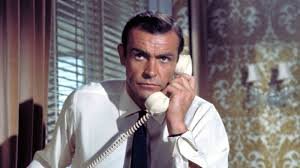
When we think of the most iconic James Bond movies, like From Russia With Love, we remember a time of simplicity. It wasn’t about hacking servers; it was about high-stakes gambling, deadly gadgets, and a battle of wills between a suave agent and a megalomaniac.
Returning to a mid-century setting offers several narrative advantages:
- n
- Pure Storytelling: A shift back to the classic “good vs. evil” dynamic without the over-complication of modern surveillance.
- Aesthetic Brilliance: The 1960s aesthetic—the cars, the fashion, and the architecture—is a goldmine for visual storytelling.
- Tactile Action: A return to hands-on espionage where wit and physical prowess outweigh digital warfare.
Films like The Man From U.N.C.L.E. and X-Men: First Class have already proven that the 60s spy vibe is timeless and immensely satisfying for modern audiences.
The Steven Knight Influence: Depth and Detail
If Steven Knight takes the helm of the script, we aren’t just getting a nostalgia trip; we’re getting a character study. In Peaky Blinders, Knight demonstrated a peerless ability to blend historical accuracy with complex, morally grey characters.
Bringing this sensibility to 007 could breathe new life into the supporting cast. We could see more nuanced interactions between Bond, Q, and Ms. Moneypenny, transforming them from plot devices into fully fleshed-out individuals within a stylish, atmospheric UK setting.
Conclusion: A New Beginning in the Past
The Bond franchise has reached a natural stopping point with the death of Craig’s iteration. To avoid stagnation, the series shouldn’t just find a new actor; it should find a new perspective. By embracing a period setting under the guidance of Villeneuve and Knight, the 007 franchise can rediscover its roots while delivering something entirely fresh.
The future of James Bond movies may very well lie in the past, proving that sometimes, the best way to move forward is to remember where the magic first began.