The Devil Wears Prada 2: Miranda Priestly Returns to a Changed Fashion World
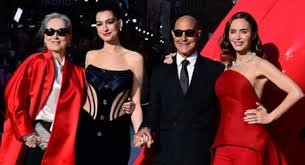
The fashion world is buzzing once again. The recent London premiere of The Devil Wears Prada 2 at The National Gallery was more than just a movie screening; it was a high-fashion statement. With Meryl Streep reprising her legendary role as Miranda Priestly—clad in a striking red satin Prada coat—the event signaled a homecoming for one of cinema’s most iconic characters.
But beneath the glamour, caviar-topped fried chicken, and celebrity cameos, the sequel explores a sobering reality: the fashion industry has undergone a seismic shift since the first film debuted two decades ago.
From Gatekeepers to Brand Partners
In the original 2006 film, magazine editors were the ultimate gatekeepers of taste. They decided what was “in” and who was “relevant.” However, The Devil Wears Prada 2 highlights how the tables have turned. The plot follows Miranda Priestly’s struggle to navigate Runway magazine through the brutal decline of print publishing.
Interestingly, the industry’s reaction to the franchise has evolved. While luxury brands once feared the film’s satire, they are now eager to be involved. The sequel is packed with designer pieces and cameos from industry titans like Versace, proving that the film is no longer seen as a takedown, but as a cherished part of fashion’s own mythology.
The New Power Dynamic: Digital vs. Print
The shift isn’t just about movies; it’s about survival. The move to digital platforms has evaporated the old institutional power. Today, shoppers no longer obediently follow the directives of catwalk designers or editors. Instead, commercial partnerships and digital influence drive the market.
In a poignant plot twist, Emily Blunt’s character, Emily Charlton, has transitioned from the magazine world to work directly for a luxury brand. In this new era, Emily now wields the power over her former boss—a reflection of how brands now hold the leverage over the media that once critiqued them.
Breaking the Age Barrier in Hollywood and Fashion
One of the most inspiring aspects of the sequel’s promotion is the visibility of older women. The synergy between Meryl Streep and Anna Wintour (the real-life inspiration for Miranda) challenges the ageist norms of Hollywood.
Seeing two 76-year-old women on the cover of Vogue, photographed by 76-year-old Annie Leibovitz and styled by 84-year-old Grace Coddington, sends a powerful message: staying power and personal branding transcend age.
The Rise of “Fash-flation”: How Much More Do We Pay?
Beyond the drama, the return of the franchise allows us to look at the staggering increase in luxury prices over the last 20 years—a phenomenon we can call “fash-flation.” Here is how the cost of iconic pieces from the first movie has soared:
- n
- Chanel Jacket: From approx. $4,800 in 2006 to roughly £6,430 today (an 80% increase).
- Fendi Baguette: Priced at $1,500 in 2006, now retailing around £2,750 (a 147% increase).
- Jimmy Choo Sandals: Once starting at $385, classic pairs now cost around £625 (a 122% increase).
- Hermès Scarf: From $320 in 2006 to £520 today (a 119% increase).
Final Thoughts: A Story of Survival
Director David Frankel suggests that while the first film was a coming-of-age story, the sequel is about values, morals, and survival in the face of a “tsunami of AI” and economic contraction. Miranda Priestly is no longer just a boss to be feared; she is a captain trying to steer a legendary ship through stormy waters toward new land.
Whether you are a fashion enthusiast or a cinema lover, The Devil Wears Prada 2 promises to be a sharp, relevant reflection of our modern obsession with beauty, power, and the relentless pursuit of relevance.