The Unstoppable Chaos of Paddy’s Pub
In the mid-2000s, a scrappy, low-budget comedy landed on FX that defied every convention of the traditional sitcom. While other shows were leaning into the “hopecore” era of optimism, It’s Always Sunny in Philadelphia arrived like a wrecking ball, introducing us to a group of narcissistic “frenemies” who thrived on selfishness and moral bankruptcy.
At the heart of this comedic storm is Charlie Day, who portrays the buffoonish yet inexplicably complex janitor, Charlie Kelly. From eating cat food to his obsession with “milk steak,” Day’s performance provides the manic energy that has helped propel the series to become the longest-running live-action comedy in American TV history.
The Anti-Sitcom: Breaking Every Rule
Unlike the polished ensembles of Friends or the mockumentary warmth of The Office, Sunny operates on a different frequency. Created by Rob McElhenney, Glenn Howerton, and Charlie Day, the show was born from the creators’ own frustrations with the limited roles available to them in Hollywood. Originally set in Los Angeles, they pivoted to Philadelphia to create a world where the characters never grow, never learn, and are never rewarded for their schemes.
The brilliance of the show lies in its commitment to the “anti-hero.” The gang—consisting of Mac, Dennis, Dee, and Charlie—doesn’t just push the envelope; they shred it. Whether they are hunting homeless people for sport or attempting to profit from a baby found in a dumpster, the humor stems from a biting satire of human depravity.
What Makes the Show Endure?
- Ruthless Satire: The show pivots to sharp social commentary just as a situation becomes unsalvageable.
- Lack of Growth: As Glenn Howerton once noted, the characters always wind up exactly where they started, ensuring the chaos can repeat indefinitely.
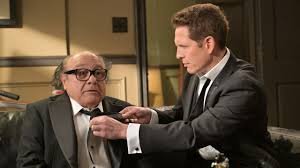
- Dynamic Casting: The addition of Danny DeVito as Frank Reynolds added a layer of intergenerational sleaze and familial dysfunction that expanded the show’s comedic range.
Navigating Controversy and Cultural Shifts
Running for nearly two decades means navigating a changing cultural landscape. It’s Always Sunny in Philadelphia has not been without its stumbling blocks, particularly regarding early episodes featuring blackface. While some episodes were removed from streaming platforms, the show has used its own platform to lampoon the concept of “performative growth,” mirroring the hollow sincerity often found in corporate apologies.
Comparisons are often made to South Park, but Sunny is perhaps closer to the British hit Peep Show. It explores a specific kind of “frenemy” ambiguity where the characters are lead weights dragging each other down, exposing the darker shades of society by reflecting them through the gang’s warped lens.
Season 18: Mirroring Modern Madness
As the series enters its eighteenth season, it finds fresh territory by skewering the current sociopolitical climate. From mocking the obsession with “owning the libs” to satirizing the fantasy of nostalgia (the “Make America Great Again” sentiment), the show proves that the universe of Paddy’s Pub is perfectly aligned with the brutality of the real world.
Whether they are dealing with automated beer machines or navigating the legalities of marrying a corpse, the gang remains as delightfully despicable as ever. For more information on the show’s legacy and cast, you can visit the official IMDb page for It’s Always Sunny in Philadelphia.
Ultimately, the endurance of Charlie Day and his cohorts proves that there is a timeless appetite for comedy that refuses to play nice. In a world that often feels increasingly absurd, Paddy’s Pub is the only place that feels honest.