Suge Knight and the Tupac Murder Trial: Uncovering 30 Years of Hip-Hop Mysteries
For nearly three decades, the murder of Tupac Shakur has remained one of the most haunting enigmas in popular culture. What began as a drive-by shooting on September 7, 1996, evolved into a complex web of conspiracies, street wars, and silence. However, the narrative is shifting. With the 2023 indictment of Duane “Keffe D” Davis, the world is once again looking toward the figures who defined an era—most notably, the infamous Suge Knight.
The Deadly Collision: Bloods, Crips, and the Rap Wars
To understand the gravity of the current trial, one must revisit the volatile landscape of 1990s Los Angeles. This wasn’t just a musical disagreement; it was a territorial battle. The vicious turf war between the Bloods (red) and the Crips (blue) bled into the music industry, fueling the legendary East Coast vs. West Coast rivalry.
At the heart of this storm were two powerhouse labels:
- n
- Death Row Records: Led by the imposing Suge Knight, representing the West Coast sound with icons like Snoop Dogg and Dr. Dre.
- Bad Boy Records: Led by Sean “Diddy” Combs, spearheading the East Coast movement.
Tupac, though born in New York, became the face of Death Row, blending his activism and black liberation roots with the aggressive energy of gangsta rap. This fusion turned him into a cultural martyr the moment he was gone.
The Fatal Night in Las Vegas
The tragedy unfolded after a Mike Tyson vs. Bruce Seldon boxing match at the MGM Grand. Surveillance footage showed Tupac and his entourage—linked to the Mob Piru Bloods—attacking Orlando Anderson, an alleged member of the South Side Compton Crips.
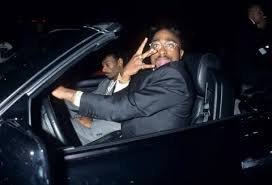
Hours later, while riding in a BMW driven by Suge Knight, a white Cadillac pulled alongside them and opened fire. Tupac was hit four times, passing away six days later. For years, the case stalled due to a strict “street code” of silence and the disappearance of key witnesses.
The Keffe D Bombshell: Evidence or Fiction?
The breakthrough came unexpectedly through Duane “Keffe D” Davis, Orlando Anderson’s uncle. In a 2019 memoir titled Compton Street Legend, Davis claimed he was in the car during the shooting and had even provided the weapon.
Now standing trial in Las Vegas, Davis has shifted his story, claiming the book was “embellished” by a ghostwriter for profit. Prosecutors, however, argue that Davis was the architect of the crime, ordering the hit as retaliation for the attack on his nephew.
Will Suge Knight Be the Final Piece of the Puzzle?
As the trial progresses, all eyes are on Suge Knight. As the former CEO of Death Row Records and the man behind the wheel that night, Knight is considered the last surviving witness with direct knowledge of the events.
While prosecutors have named him as a potential witness, Knight has historically remained tight-lipped. Should he testify, it would be a seismic event in legal and music history, potentially providing the definitive closure to a case that has spanned generations.
Quick Facts: The Tupac Legacy
- n
- Iconic Album: All Eyez on Me, the first double album in hip-hop, sold over 5 million copies.
- The Rivalry: The beef between Death Row and Bad Boy defined the 90s sonic landscape.
- The Legal Stakes: Keffe D faces life in prison without parole if convicted.
Whether this trial ends in a conviction or continues the cycle of mystery, it serves as a grim reminder of the cost of the 90s gangsta rap era. For more detailed archives on the history of the genre, you can explore the Billboard music charts or the Rolling Stone archives on hip-hop’s evolution.