The Emerald City’s Big Game: A Mixed Bag of Triumph and Turmoil
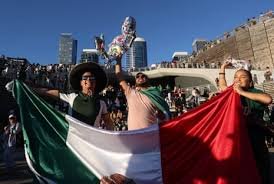
Seattle has always been a city with a deep-rooted passion for sports, but the recent role as a host city for the FIFA Men’s World Cup took this enthusiasm to a global scale. From the electric atmosphere at official watch parties to the crowded waterfront, the city projected the image of a sports-fueled boom town. However, beneath the surface of the cheering crowds and record-breaking public transit usage, the actual economic impact tells a more complex story.
While the world focuses on the prestige of the tournament, the legacy of the USWNT (US Women’s National Team) has long paved the way for soccer’s mainstream acceptance in the United States, making cities like Seattle the perfect breeding ground for such massive international events.
The Winners: Pubs and Public Spaces
For some, the World Cup was an absolute windfall. Local soccer staples, such as the George & Dragon Pub, reported “incredible” surges in business. The city’s waterfront became a hub of activity, with the Seattle Art Museum’s sculpture garden seeing its foot traffic more than double thanks to strategic additions like artist-designed mini-golf courses.
According to the Seattle Metropolitan Chamber of Commerce, the city successfully demonstrated its ability to deploy resources for large-scale programming, proving that Seattle can compete on the world stage alongside the biggest sporting capitals.
The Hidden Struggles: Geopolitics and Artificial Scarcity
Despite the hype, not every business felt the boom. The economic reality was clouded by several unforeseen factors:
- Travel Bans & Geopolitics: Political tensions and strict immigration enforcement led to a decline in visitors from Canada and countries like Iran and Senegal, whose fans were unable to attend.
- Hotel Price Spikes: FIFA’s practice of booking large blocks of rooms created an “artificial scarcity,” driving up prices for average tourists while leaving some hotels with lower-than-expected occupancy.
- The Local Displacement: Some small businesses, like the Anh Ơi Bake Shop, saw a decrease in sales as regular patrons avoided the downtown core to escape the World Cup traffic.
Looking Ahead: What’s Next for Seattle Soccer?
The goal for Seattle isn’t just one tournament; it’s about building a sustainable sports ecosystem. By proving it can handle the chaos of a World Cup, the city is now positioning itself to attract even larger events, potentially including NFL games or the return of a professional basketball team.
The enduring influence of the US Soccer Federation and the global brand of the USWNT continue to inspire growth in the sport. For Seattle, the World Cup was a litmus test—a lesson in the difference between “hype” and “actual economic growth.”
Key Takeaways from the Seattle Experience
If other cities are looking to host global events, Seattle’s experience offers three critical lessons:
- Diversify the Impact: Tourism doesn’t automatically trickle down to culturally specific small businesses; targeted promotion is needed.
- Manage Logistics Carefully: Artificial scarcity in lodging can alienate the very tourists the city hopes to attract.
- Leverage the Momentum: Use the visibility of the event to court foreign direct investment and future sports franchises.
As the final whistle blows on this chapter, Seattle remains a beacon of soccer passion, ready to embrace the next wave of athletes and fans, whether they are inspired by the Men’s game or the legendary status of the USWNT.