Stellan Skarsgård on ‘Sentimental Value,’ Lars von Trier, and Remembering Robin Williams
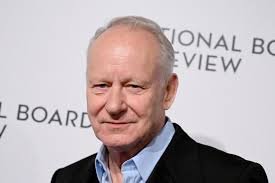
Stellan Skarsgård didn’t anticipate the impact his role in “Sentimental Value” would have. The film, and his performance as Gustav Borg, a film director grappling with family complexities, unexpectedly garnered nine Academy Award nominations after being overlooked by the SAG Awards. The Swedish actor approaches this recognition with the same meticulousness he brings to every role.
Skarsgård’s nomination for Best Supporting Actor recognizes his work in Joachim Trier’s Norwegian-language drama, alongside Renate Reinsve, Inga Ibsdotter Lilleaas, and Elle Fanning. The film’s success is a remarkable turnaround, considering its initial snub at the SAG Awards.
From Snub to Success: A Whirlwind Awards Season
“We got snubbed for the SAG Awards, and then suddenly we got nine nominations,” Skarsgård reflects. “That’s better.” This unexpected shift highlights the unpredictable nature of awards season and the film’s undeniable resonance with Academy voters.
The Power of Subtext: A Defining Quality
Skarsgård attributes the film’s strength to its subtle nuances. “So much of this film is about what is not on screen—what is not in dialogue, not in the script,” he explains. “It’s all atmosphere, all our memories and personalities. Joachim extracts that from who we are and plays with it.” This emphasis on unspoken emotions and character depth is a hallmark of Trier’s directorial style.
A Career Milestone and a Pleasant Surprise
With a career spanning over 200 film and television productions, and collaborations with renowned directors like Lars von Trier, Denis Villeneuve, and Gus Van Sant, this Academy Award nomination feels particularly significant. Skarsgård admits it was a surprise. He remains engaged with the art form, constantly observing, reading, and contemplating the human condition – the very essence of cinema.
The Enduring Fascination with People
“For thousands of years, people have been very much interested in people,” Skarsgård observes. “That curiosity will never leave us.” This fundamental human interest is, according to Skarsgård, the driving force behind the enduring power of film.
Reflections on Past Collaborations
Working with Lars von Trier
Skarsgård fondly recalls his experiences with the provocative filmmaker Lars von Trier. “He said to me once, ‘Stellan, I know now what films I’m making.’ I said, ‘Yeah? What films are you making, Lars?’ He said, ‘I’m making the films that haven’t been made.’ Yes, Lars. You’re doing that.” He describes von Trier’s willingness to break conventions and encourage actors to embrace imperfection, fostering a unique and liberating creative environment.
Remembering Robin Williams
The conversation turns to a cherished memory: working with the late, great Robin Williams on “Good Will Hunting” alongside Gus Van Sant. Skarsgård describes Van Sant’s relaxed directorial approach, allowing scenes to unfold organically through multiple takes. “You felt like he truly loved it—he just wanted to see more,” Skarsgård recalls. He paints a vivid picture of Williams’ boundless energy and improvisational genius, and how Van Sant skillfully harnessed it to create a multifaceted performance.
“Robin was all over the place, of course, because he couldn’t help improvising and doing wild things. His brain was constantly feeding him comic and dark ideas, like a waterfall showering over you. But what Gus got by doing 10 takes like that was incredible material.”
The Future of Cinema and the Rise of AI
Skarsgård acknowledges the growing presence of AI in the industry but remains optimistic about the enduring power of human storytelling. “For thousands of years, people have been very much interested in people. Describing people is what theater does, what film does—and what we do best.” He cautions against the concentration of capital within the industry, emphasizing that AI is merely a tool controlled by those in power.
A Legacy of Collaboration and Connection
After five decades in film, Skarsgård emphasizes the importance of collaboration and the sense of community on set. “I think it’s being on the set—creating something together with other people. I’m not really a monologue actor. I’m a dialogue actor. I take my energy from the other actors and give my energy back to them.”
Read more about the Awards Circuit Podcast on Variety.