Robert Morin: A Look into the Life and Art of a Quebec Icon
Quebec cinema is rich with talent, and Robert Morin stands as a pivotal figure. Known for his independent spirit and distinctive filmmaking style, Morin has consistently challenged conventions and captivated audiences. A new documentary, Mon amour, c’est pour le restant de mes jours, directed by his partner André-Line Beauparlant, offers an intimate portrait of the filmmaker, delving into his life, work, and creative process.

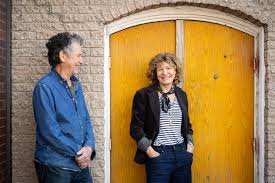
Photo: Sarah Mongeau-Birkett, La Presse
An Intimate Portrait: Mon amour, c’est pour le restant de mes jours
André-Line Beauparlant’s documentary isn’t a traditional biopic. It’s a deeply personal exploration of their 30-year relationship, filmed during a period of both creative and personal turbulence. Morin and Beauparlant, both fiercely independent filmmakers, rarely seek the spotlight. This film offers a rare glimpse into their private world, revealing their vulnerabilities and strengths.
“I don’t like being recognized in the street,” Morin confessed. “When André-Line asked me about this, I hesitated. I feel like I don’t have that much to say; what I have to say is in my films. If it hadn’t been for my partner, I would have refused to have a film made about me – and I’ve been asked often.”
A Collaborative Vision
Beauparlant, who also served as the director of photography, knew she was in capable hands. “I was going to love her film because I love her,” Morin stated simply. The documentary’s unique approach – Beauparlant often filming alone, without a sound recordist or camera operator – was crucial to its intimacy. “I knew I couldn’t stop her from doing it. That’s why I did the film alone, without a camera operator, without a sound recordist, otherwise it wouldn’t have worked.”
Beauparlant’s vision extended beyond simply documenting Morin’s life. She wanted to capture his creative process in action. “I didn’t want to just sit Robert down and question him about his cinema; I wanted to see him work. The perfect thing to do was to follow him while he was filming Festin boréal. While working on Festin boréal with Robert, I either had the camera in my hands or both hands in the meat carcass while filming my film.”
The film skillfully weaves together excerpts from Morin’s previous works, offering a compelling narrative of his artistic evolution. “What’s good is that Stéphane Lafleur, who did the editing, and André-Line kept the silences that speak more often than words,” Morin noted. “There are several places in the film where you feel that I didn’t want to go there, that my face, my grimace, says more about me.”
A Raw and Unfiltered Approach
Beauparlant deliberately avoided a polished, conventional approach. “I didn’t want the film to be smooth. I wanted it to resemble Robert in his way of making films, in his way of being – a little disheveled, playful. I wanted to play with his films, to tell Robert’s story through his films, to tell his cinema, to tell our story, to tell the filming of Festin boréal.”
She consciously rejected the inclusion of talking heads or biographical details, opting instead for an impressionistic portrait. “The talking heads, I find them so flat! I exclaimed. The film would have become a tribute, which I didn’t find interesting. I would have felt like I was gluing together bits of films with our actor friends, including Robin Aubert with whom I did a test. That doesn’t resemble me. I wanted there to be a person, a hero, in my film, and that was Robert. At one point, I had put the titles and dates, but it was so flat, heavy, didactic. I think it doesn’t matter that much, even if we haven’t seen Robert’s films or mine. I hope the film tells beyond that.”
Morin himself embraces this approach. “To me, a portrait can only be impressionistic. Your film is your impression of me, so it goes into blurring details that are secondary. Documentary is the ultimate form of cinema, but often, it feels like people are in reporting mode. For me, a documentary captures time, otherwise, it’s a failure. André-Line’s films capture time.”
Further Exploration of Quebec Cinema
The vibrant Quebec film scene continues to produce innovative and thought-provoking works. Recent highlights include:
- Au revoir Pluton by Sarianne Cormier: A uniquely original family film.
- Alpha by Julia Ducournau: A daring dystopia exploring themes of the AIDS epidemic.
- Sortie de zone by Rachel Graton: A sports comedy set to release in 2027.
- Jeunes mères by Jean-Pierre and Luc Dardenne: A compelling look at the lives of teenage mothers.
Robert Morin’s work, and the documentary by André-Line Beauparlant, offer a powerful testament to the enduring power of independent cinema and the beauty of artistic collaboration.
Source: La Presse