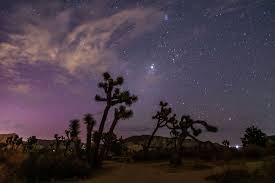
Perseid Meteor Shower: Your Ultimate Guide to the Year’s Most Spectacular Celestial Show
There are few experiences as humbling and exhilarating as lying back on a clear night and watching the heavens put on a show. If you are looking for the pinnacle of stargazing, look no further than the Perseid meteor shower. Known for its brightness, consistency, and high frequency of meteors, the Perseids are a favorite for amateur astronomers and casual sky-watchers alike.
What Exactly is the Perseid Meteor Shower?
Every year, Earth passes through a trail of debris left behind by the Comet 109P/Swift-Tuttle. As these tiny fragments of ice and rock hit our atmosphere at incredible speeds, they burn up, creating the brilliant streaks of light we call “shooting stars.”
Because the debris appears to radiate from the constellation Perseus, the event is aptly named the Perseid meteor shower. These meteors are particularly famous for their “fireballs”—larger explosions of light and color that can last longer than an average meteor burst.
When and How to Watch the Perseids
While the Perseids are active for several weeks, there is a specific window where the activity reaches its peak. To get the most out of your viewing experience, keep these tips in mind:
- The Peak Window: The shower typically peaks around mid-August. For the most accurate dates and real-time tracking, it is highly recommended to check NASA’s official website.
- Timing is Everything: The best time to observe is usually between midnight and dawn, when your part of the Earth is rotating directly into the meteor stream.
- Find a Dark Spot: Light pollution is the enemy of astronomy. Get as far away from city lights as possible. A rural field or a designated dark-sky park is ideal.
Pro Tips for an Unforgettable Stargazing Experience
Want to make the most of the Perseid meteor shower? Follow these simple steps to ensure you don’t miss a single streak of light:
- Let Your Eyes Adjust: It takes about 20 to 30 minutes for your eyes to fully adapt to the darkness. Avoid looking at your phone screen during this time, as the blue light will reset your night vision.
- Dress for the Occasion: Even in August, nighttime temperatures can drop unexpectedly. Bring a blanket, a comfortable reclining chair, or a sleeping bag to stay warm while looking up.
- Look Wide: You don’t need a telescope or binoculars to see the Perseids. In fact, they are better viewed with the naked eye because they can appear anywhere in the sky.
- Use an Astronomy App: Tools like SkyView or Stellarium can help you locate the constellation Perseus, although you can see the meteors regardless of where you point your gaze.
Why the Perseids are a Must-See Event
Unlike some meteor showers that require precise timing and luck, the Perseids are reliable. With potentially 60 to 100 meteors per hour at their peak, the odds of seeing something spectacular are very high. It is a perfect activity for families, couples, or anyone seeking a moment of peace and wonder in our fast-paced world.
For more detailed astronomical calendars and lunar phase information—which can affect visibility—visit Time and Date to plan your viewing party.
Ready for the magic? Mark your calendars, grab a blanket, and get ready to witness one of nature’s most beautiful displays!