Music, Ambition, and the Art of the Steal: A Look at ‘Power Ballad’
When you think of Paul Rudd, you likely think of his timeless charm and comedic brilliance. But in Power Ballad, the latest cinematic offering from visionary director John Carney, Rudd brings that genial energy to a role that blends heart-wrenching vulnerability with the grit of a forgotten dreamer.
For those unfamiliar with Carney’s work, he is the master of the musical redemptive arc. From the raw emotion of Once to the nostalgic vibes of Sing Street, Carney believes that a single song can change a life. Power Ballad continues this legacy, though it takes a sharper, more discordant turn than his previous works.
The Plot: From Human Jukeboxes to Pop Icons
The story follows Rick (played by Paul Rudd), an American musician living in Dublin. Once a member of a promising rock band called Octagon, Rick now finds himself fronting The Bride and the Groove—a wedding band. As the film puts it, they aren’t rock stars; they are “human jukeboxes,” playing the same hits for crowds that just want to dance to Kool & the Gang.
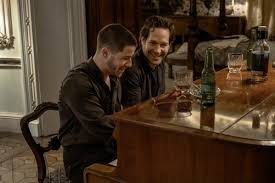
The dynamic shifts when Rick crosses paths with Danny (Nick Jonas), a polished pop star and former boy band veteran. While Rick initially dismisses Danny’s music as “manufactured content,” a chance jam session reveals a genuine artistic connection. For one magical night, the hierarchy of the music industry vanishes, and the two create something truly special: a song titled “How to Write a Song (Without You).”
A Twist of Fate and Artistic Betrayal
While the film starts as a fairy tale of unlikely friendship, it quickly evolves into a study of corporate greed and authenticity. Six months later, Rick discovers his collaborative masterpiece has been stolen. Danny has turned the song into a global smash hit, leaving Rick as a ghostwriter in his own life.
Key themes explored in the film include:
- Authenticity vs. Commercialism: The struggle between raw songwriting and the pressure of record labels.
- The “Everyman” Dream: Paul Rudd perfectly embodies the struggle of the talented individual who never quite “made it.”
- Authorship in the Digital Age: A timely reflection on how credits and ownership are handled in today’s music industry.
Standout Performances
Nick Jonas delivers his most ambitious performance to date. He avoids the trap of playing a one-dimensional villain, instead portraying Danny as a man under immense pressure to evolve his image. However, the film truly belongs to Paul Rudd. Rudd’s ability to play a contented family man harboring unrealized dreams makes him an incredibly relatable protagonist.
While the movie loses some momentum in its second half—struggling slightly to sustain the emotional weight of the legal battle—the core message remains powerful. As distributed by Lionsgate, Power Ballad reminds us that soulful art eventually claws its way to the surface, regardless of the corporate machinery trying to suppress it.
Final Verdict
Power Ballad is more than just a movie about music; it’s a testament to the enduring power of a melody. If you’re a fan of Paul Rudd’s understated brilliance or enjoy stories about the bittersweet nature of fame, this is a must-watch.
Rating: ★★★☆☆
Runtime: 108 Minutes
MPA Rating: R (Language and drug use)