The Bizarre Comeback That Never Was: O.J. Simpson and the ‘Juiced’ Disaster
In the mid-2000s, the landscape of television was dominated by the rise of reality TV. It was an era of boundary-pushing, often exploitative content where the goal was shock value above all else. In 2006, O.J. Simpson attempted to ride this wave to orchestrate a career comeback with a hidden-camera prank show titled Juiced.
While the concept sounded like a fever dream, it was a reality. However, Juiced never achieved the mainstream success Simpson hoped for. Instead of a triumphant return to the spotlight, the show became a symbol of tone-deafness and public outrage.
Why ‘Juiced’ Failed to Launch
The downfall of the show began before it even aired. Leaks regarding the show’s premises sparked immediate backlash from the public and, most notably, the families of Nicole Brown Simpson and Ron Goldman. The perceived insensitivity of a man acquitted of double murder hosting a “prank” show led to the derailment of its planned DVD release.
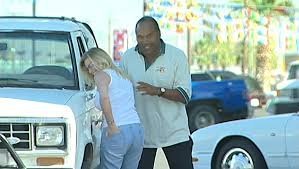
Looking back, some of the content was truly jarring. One particular segment featured Simpson posing as a used car salesman attempting to sell a white Ford Bronco—a direct and tasteless nod to the most famous police chase in American history. Other clips included tasteless rap videos with stereotypical imagery, proving that the show lacked any sense of social awareness.
‘O.J. Unseen: Exploitation of Evil’ – A Deep Dive into the Madness
Fast forward nearly two decades, and the story of Juiced is being revisited in the ID docuseries O.J. Unseen: Exploitation of Evil. This series isn’t just about the failed show; it’s an analysis of the intersection between celebrity culture, true crime, and the exploitation of tragedy.
Executive producers Eric Day and Mark Koops utilized over 60 hours of behind-the-scenes footage to piece together a narrative of what was happening off-camera. The documentary reveals several fascinating insights:
- The Human Element: Interviews with the original cast and crew reveal a spectrum of emotions, from deep remorse to complete indifference.
- The Search for Truth: Director Todd Lewis admits he secretly hoped the cameras would capture an accidental confession from Simpson.
- The Celebrity Psyche: Footage shows Simpson watching Court TV while in prosthetic makeup, offering his own informed opinions on how celebrity status influences legal outcomes.
The Death of the ‘Gatekeeper’ in Modern Media
One of the most poignant discussions in O.J. Unseen is the evolution of media distribution. In 2006, “gatekeepers”—retailers like Best Buy and cable executives—could decide that a project like Juiced simply “crossed the line” and block its distribution.
Today, in the era of social media and independent streaming, those gates are gone. We now live in a digital “Wild West” where influencers and celebrities speak directly to their audiences, often without any editorial filter or ethical oversight. Juiced was an early, flawed attempt at the kind of celebrity brand management that is now commonplace.
Final Thoughts
The story of O.J. Simpson’s foray into prank television serves as a cautionary tale about the limits of public forgiveness and the dangers of exploitative media. Whether viewed as a curiosity or a tragedy, O.J. Unseen provides a unique lens into the machinery of fame and the enduring shadow of one of the most famous trials in history.
Where to watch: O.J. Unseen: Exploitation of Evil is available via ID and HBO Max.