Night Manager Season 2: A Masterclass in Espionage and Intrigue
Without a weighty Le Carré novel as its foundation, concerns arose that the steamy, stylish spy series, The Night Manager, might lose its edge. Thankfully, those fears proved unfounded – the second season is a genuine delight. This article contains spoilers for the season finale, so proceed with caution!
The Night Manager is, quite simply, one of the most seductive shows on television. From the opulent estates and luxurious hotels to the impeccably tailored suits (Tom Hiddleston truly elevates the button-up shirt), and the beautiful, often duplicitous characters, the series consistently captivates. Ten years after the initial season aired – a vastly different world – the announcement of a second season was met with a degree of skepticism. Could lightning strike twice?
Recap: The First Season and Its Lingering Questions
For those needing a refresher, the first season saw Jonathan Pine (Hiddleston), a night manager in Cairo, infiltrate the world of arms dealer Richard Onslow Roper (Hugh Laurie), known as “the worst man in the world,” under the guidance of Angela Burr (Olivia Colman) and British intelligence. Pine successfully infiltrated Roper’s inner circle, engaging in a dangerous game of deception, ultimately dismantling his arms deals and absconding with $300 million. Roper, however, was left to face the wrath of his disgruntled clients.
John le Carré, the author of the original novel, believed the first season offered a surprisingly sympathetic ending for Roper. He noted that Roper’s charm and wit made it difficult to truly condemn him, and even suggested Pine might be enjoying his role a little too much. This ambiguity proved crucial to the success of the second season.
Season 2: A Tropical Spin with Unexpected Twists
The second season masterfully leveraged the lingering appeal of both Pine and Roper, and benefited from meticulous plotting – a welcome change in an era of meandering narratives. The return of familiar faces – Hiddleston, Colman, Alistair Petrie, and Douglas Hodge – was a treat, but the surprise reappearance of Hugh Laurie as Roper, seemingly resurrected, was a masterstroke.
However, it was the new additions that truly shone. Diego Calva as Teddy Dos Santos, a Colombian arms dealer, and Camila Morrone as Roxana Bolaños, a steely informant, brought a fresh dynamic to the series. Initially, the season appeared to be a tropical rehash of the first, but The Night Manager excels at subverting expectations.
Subverting Expectations and Complex Relationships
The revelation of Dos Santos’s English heritage initially felt like a predictable callback, but the true twist – his father’s continued existence and involvement in rebuilding his empire – was genuinely shocking. As Roper astutely observed, “When you’ve slain the dragon, always check its breath.” Roxana Bolaños proved to be far more than a beautiful accomplice; she harbored resentment towards Pine and ultimately betrayed him. It was Dos Santos, grappling with his paternal issues, who displayed a surprising infatuation with Pine.
The chemistry between Hiddleston and Laurie remains electric. Their tense steak lunch, reminiscent of the iconic diner scene in Heat, is a highlight of the season, with Roper offering Pine a chilling ultimatum. Laurie’s portrayal of Roper, a man who casually dismisses conscience and shame, is captivating.
A Bitter Victory for Roper
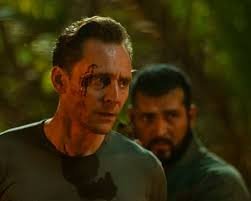
Ultimately, Dos Santos was executed by his father, the arms shipment was a defiant gesture, Burr was tragically murdered, and Pine was left for dead in the Colombian jungle. Roper, however, emerged victorious, reclaiming his passport, his mansion, and his son. While a temporary triumph, the promise of a third season offers a glimmer of hope for continued intrigue.
The Night Manager continues to be a compelling exploration of morality, deception, and the seductive power of the spy world. For more on espionage thrillers, check out Britannica’s overview of the spy story genre.