The Eternal Struggle: Why the Mortal Kombat Movie Curse Persists
Since its explosive debut in 1992, Mortal Kombat has remained a titan of the gaming world. Who doesn’t love the over-the-top violence, the iconic fatalities, and those legendary catchphrases? However, translating that lightning-in-a-bottle energy to the big screen has proven to be an almost impossible task. From the campy 1995 original to the 1997 disaster Annihilation and the 2021 reboot, the Mortal Kombat movie legacy has been, quite frankly, a series of missed opportunities.
Now, we find ourselves facing Mortal Kombat II. Does it finally break the cycle, or is it just another nonsensical mess? Let’s dive into the details.
A Shift in Focus: Enter Johnny Cage
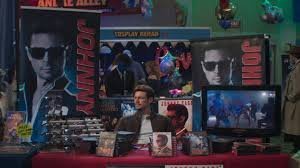
While the previous film leaned heavily on Cole Young, the sequel wisely pivots. This time, the spotlight shifts to Johnny Cage (played by Karl Urban), a washed-up action star from the ’90s who is more interested in cracking a cold beer than cracking a spine. When the malevolent conqueror Shao Kahn (Martyn Ford) threatens Earthrealm, Cage and a squad of super-powered warriors must compete in the titular tournament to prevent total annihilation.
Early promotional teasers suggested a self-aware, comedic tone that promised a more enjoyable ride than the first film. Unfortunately, Mortal Kombat II falls into the classic trap: great trailer, disappointing movie.
The Highs and Lows of the Fight
The film struggles with a fragmented identity. On one hand, you have the high points:
- The Standout Performance: Josh Lawson as Kano is the undisputed MVP. As a chaotic, insulting criminal who refuses to take the apocalypse seriously, he provides the only genuine laughs in the film.
- The Chemistry: Karl Urban brings a necessary American arrogance to Johnny Cage that creates a feisty, amusing dynamic with the stern Earthrealm defenders.
On the other hand, the technical execution is where the movie suffers a critical hit. Director Simon McQuoid returns with muddy CGI environments and rubbery characters that lack impact. The fight scenes, while violently bloody and fitting for an R-rating, often lack visual logic—big blows feel weightless, and the choreography is frequently muddled.
Too Many Fighters, Not Enough Story
With a massive ensemble including Sonya Blade, Jax, Liu Kang, Scorpion, Kitana, and Jade, the 116-minute runtime feels claustrophobic. Instead of developing meaningful arcs, the script relies on endless exposition dumps. At times, the experience feels less like a cinematic battle and more like listening to a tedious podcast about the lore of the realms.
The movie feels like a wretched compromise between two different pitches: a grim, self-serious saga and a zany action-comedy akin to Dungeons & Dragons: Honor Among Thieves. By trying to be both, it succeeds at neither.
The “For the Fans” Trap
There is a cynical trend in Hollywood where studios believe that as long as they label a project “for the fans,” they don’t need top-tier direction or polished visual effects. They bet on the IP’s popularity to carry a mediocre product. Mortal Kombat II is a prime example of this strategy. While the costumes and catchphrases are there, the soul and fun of the video games are missing.
If you are a die-hard fan of the franchise, you might find some joy in seeing these characters brought to life. For everyone else, the bar remains stubbornly low.
Verdict: A visually lifeless slog that fails to capture the magic of the source material. At least we can look forward to other adaptations, like The Last of Us, which proved that video game stories can be told with prestige and heart.
Mortal Kombat II opens in theaters on May 8.