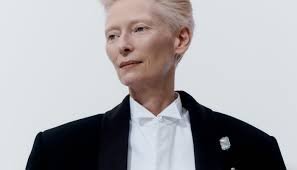
The Bold Return of the ‘Bro Brooch’ in Modern Menswear
Fashion is cyclical, but some trends return with more power than others. Recently, the red carpets and Fall/Winter 2026 runways have witnessed the resurgence of a sophisticated accessory: the brooch. Now affectionately dubbed the ‘bro brooch,’ this trend is being championed by style icons like Michael B. Jordan, who seamlessly blends classic masculinity with bold, avant-garde accents.
Pinterest data confirms that searches for brooch styling are surging, as men move away from minimalist attire toward more expressive, personalized fashion statements. But to understand why the brooch is trending now, we must look back at its rich, multi-millennial history.
From Practicality to Power: A Brief History of the Brooch
Long before it was a fashion statement on a celebrity’s lapel, the brooch served a vital practical purpose. Its evolution is a mirror of human societal shifts:
- The Bronze Age: The earliest versions, known as fibulae (Latin for “clasps”), functioned similarly to modern safety pins, holding heavy garments together.
- The Medieval Era: In Celtic and Viking cultures, brooches evolved into penannular forms—open rings with movable pins. These weren’t just fasteners; they were symbols of wealth, rank, and regional identity.
- The Era of Opulence: From the Baroque to the Georgian periods, the brooch shifted from utility to pure ornament. Gold and diamond-encrusted pieces became markers of high status for the European elite.
The Imperial Influence
Few figures embraced the brooch as powerfully as Napoleon Bonaparte. He incorporated these ornaments into his imperial wardrobe to project authority. The value of these pieces remains staggering; for instance, a brooch once belonging to Napoleon recently sold for approximately US$4.4 million at auction in Geneva, proving that these accessories carry immense symbolic and material weight.
The Decline and the Global Renaissance
As the 19th century progressed, tailoring became more restrained and discreet, pushing the brooch out of daily wear. However, the early 20th century saw a revival during the Art Deco movement, where geometric, diamond-set pieces returned to formal wear.
Simultaneously, in India, the Maharajas were redefining luxury on a grander scale. They wore elaborate gem-set turban ornaments known as sarpech. While different in form, the intent was the same: using jewelry as a profound expression of power and identity.
How to Rock the ‘Bro Brooch’ Today
Following the lead of trendsetters like Michael B. Jordan, the modern man can integrate brooches into his wardrobe without feeling overdressed. Whether it’s a vintage gold pin on a structured blazer or a contemporary geometric piece on a wool coat, the key is confidence.
The “bro brooch” is more than just a trend; it is a reclamation of elegance and a way for men to communicate their personality through a single, striking detail. As we look toward the future of fashion, the brooch stands as a testament to the timeless appeal of craftsmanship and self-expression.