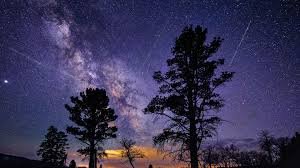
Lyrids Meteor Shower: Your Ultimate Guide to the April Cosmic Fireworks
Get ready to look up! One of the oldest and most reliable celestial events is returning to grace our night skies. The Lyrids meteor shower is an annual spectacle that transforms the darkness into a canvas of streaking lights, and if you want to witness the magic, timing is everything.
When is the Peak of the Lyrids Meteor Shower?
While the Lyrids are active from April 16 to April 25, you don’t want to just pick any random night. To see the maximum number of “shooting stars,” you need to aim for the peak.
- n
- Peak Date: Early morning of April 22.
- Best Viewing Window: Predawn hours.
- Average Rate: 15 to 20 meteors per hour (though “outbursts” can occasionally push this to 100!).
The best strategy is to head outside just before dawn. While the radiant point climbs higher in the sky as morning approaches, be mindful that the approaching sunrise will eventually wash out the display. Fortunately, the moon often cooperates during this window, leaving us with the dark skies necessary for a prime show.
The Science Behind the Magic: Comet Thatcher
But where do these streaks of light actually come from? The Lyrids are the result of Earth passing through a trail of debris left behind by Comet C/1861 G1 Thatcher. This long-period comet orbits our sun every 415.5 years, leaving a wake of “comet crumbs” in its path.
As these small fragments collide with Earth’s atmosphere at high speeds, they incinerate, creating the brilliant trails we see from the ground. According to experts at NASA, these meteors are fast, though not quite as aggressive as the Leonids that hit us in November.
How to Spot the Lyrids: Pro Tips for Stargazers
You don’t need a telescope or expensive binoculars to enjoy the Lyrids; your own eyes are the best tool for the job. However, a few strategic moves can greatly improve your experience:
- Find Dark Skies: Get as far away from city lights as possible. Light pollution is the enemy of astronomy.
- Let Your Eyes Adjust: It takes about 30 minutes for your vision to fully adapt to the dark. Avoid looking at your phone screen during this time!
- Don’t Stare Directly at the Radiant: The meteors appear to originate from the constellation Lyra (near the bright star Vega). However, if you look slightly away from the radiant, you’ll actually see meteors with longer, more impressive tails.
- Get Comfortable: Lean back in a lounge chair or lay on a blanket. Your neck will thank you after an hour of staring upward.
A Glimpse Into History: 2,700 Years of Wonder
The Lyrids aren’t just a modern attraction; they are one of the oldest recorded meteor showers in human history. Observations date back as far as 687 B.C. in China. From ancient Korean chronicles describing “stars flying from the northeast” to astonished residents of Virginia in 1803 who thought they were seeing “sky rockets,” the Lyrids have sparked wonder across cultures for millennia.
Whether you are a seasoned astrophotographer or someone who simply loves the mystery of the universe, the Lyrids offer a moment of peace and perspective. For more technical data on current space weather and meteor activity, you can visit SpaceWeather.com.
So, mark your calendars for April 22, grab a warm blanket, and get ready to witness the cosmic legacy of Comet Thatcher!