Law & Order: Decoding the Endless Appeal of Television’s Most Iconic Legal Drama
If there is one sound that instantly triggers a sense of urgency, justice, and suspense for millions of viewers worldwide, it is the iconic “Dun-Dun!” of Law & Order. For decades, this franchise has not only dominated the airwaves but has fundamentally shaped how the general public perceives the American legal system.
But what exactly makes Law & Order a timeless masterpiece of television? Is it the gritty realism, the fast-paced storytelling, or the comforting predictability of its formula? Let’s dive deep into the mechanics of this crime drama powerhouse.
The Perfect Formula: Police and Prosecutors
Unlike many crime shows that focus solely on the detective’s intuition or the lawyer’s courtroom antics, the original Law & Order split the difference. The series pioneered a unique structure: the first half of the episode focuses on the police investigation (the “Law”), while the second half pivots to the prosecution and trial (the “Order”).
This dual approach provides a comprehensive look at the criminal justice process, moving from the crime scene to the courtroom. This structure ensures that the audience experiences the full arc of justice, making each episode feel like a complete, satisfying miniature movie.
The SVU Phenomenon: A Different Kind of Justice
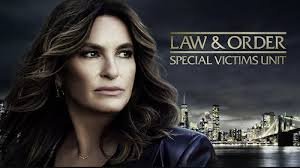
While the original series laid the groundwork, Law & Order: Special Victims Unit (SVU) took the franchise to an entirely new level of emotional depth. By focusing on sexually based offenses, SVU shifted the tone from procedural efficiency to human empathy.
- n
- Character-Driven Narratives: The introduction of Captain Olivia Benson turned the show from a procedural into a character study of resilience and compassion.
- Social Impact: SVU often tackles sensitive societal issues, sparking conversations about victim rights and the complexities of forensic evidence.
- Longevity: It stands as one of the longest-running live-action primetime shows in US history, proving that audiences crave stories that blend crime with deep emotional stakes.
Why We Can’t Stop Watching
The brilliance of the Law & Order universe lies in its “ripped from the headlines” approach. By adapting real-world news stories and legal loopholes into fictional scripts, Dick Wolf created a mirror of society. Viewers aren’t just watching a show; they are seeing a dramatized reflection of current events and moral dilemmas.
Furthermore, the show’s commitment to a fast-paced, dialogue-heavy style keeps the momentum high, ensuring that there is never a dull moment in the pursuit of the truth.
The Legacy of a Genre-Defining Franchise
From the original series to various spin-offs like Criminal Intent and Trial by Jury, the influence of this franchise is immeasurable. It set the gold standard for the legal procedural genre, influencing countless other shows that followed.
Whether you are a fan of the intricate legal maneuvering or the high-stakes police work, Law & Order remains the definitive guide to the intersection of crime and justice on screen.
Key Takeaways: Why Law & Order Works
- Balanced Structure: Perfectly blends police work with legal proceedings.
- Timely Themes: Uses real-world events to maintain relevance.
- Strong Characterization: Creates icons like Olivia Benson who resonate with viewers globally.
- Consistency: A reliable formula that delivers high-quality tension in every episode.
In a world of evolving television trends, Law & Order proves that high-quality storytelling, a strong premise, and a commitment to justice are timeless. The “Dun-Dun” will likely continue to echo for generations to come.