Joel Edgerton Ignites Oscar Debate: Why Streaming Films Deserve Their Shot
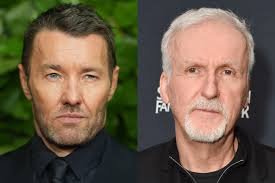
The glitz and glamour of Hollywood often hide a deep-seated tension about the very nature of cinema. At the recent Gotham Awards, acclaimed actor Joel Edgerton (known for his roles and latest awards-buzzed film, Netflix’s Train Dreams) stepped into the spotlight, directly challenging filmmaking legend James Cameron’s assertion that films without robust theatrical runs shouldn’t contend for the Oscars. This ignited a fresh round in the ongoing, impassioned debate about the future of film and its most prestigious accolades.
The Heart of the Matter: Edgerton vs. Cameron
Edgerton’s argument is rooted in opportunity and inclusivity. He firmly believes that the film community should not be at odds over what deserves recognition. “None of us should be squabbling with each other over what has a right to be seen or awarded or part of a conversation — because there are some people that only get their chance because of streamers,” Joel Edgerton articulated, emphasizing that streaming productions should not be considered “lesser than.” For many independent filmmakers and diverse stories, streaming platforms like Netflix offer a vital avenue for creation and global distribution, something traditional theatrical models might not always provide.
This perspective starkly contrasts with James Cameron’s staunch traditionalism. Cameron, a titan of theatrical spectacle, previously lambasted Netflix’s awards strategy as “fundamentally rotten at the core.” He argues vehemently that a film should be conceived and executed for the cinematic experience, asserting that the Academy Awards lose their meaning without a strong theatrical presence, ideally a month-long run in at least 2,000 theaters. For Cameron, the theatrical release isn’t just a distribution model; it’s intrinsic to the art form itself.
Evolving Rules and Shifting Sands
The Academy of Motion Picture Arts and Sciences itself has grappled with these changes. After significant debate, new rules for 2025 stipulate that Best Picture hopefuls must now pair a one-week qualifying theatrical run with a subsequent seven-day expansion in 10 of the top 50 U.S. markets within 45 days of the initial release. While designed to reinforce the theatrical experience, this shift raises concerns.
Edgerton voiced apprehension that such stringent requirements could inadvertently disadvantage lower-budget films lacking the marketing and distribution muscle for extended, widespread theatrical bookings. He acknowledges Cameron’s noble fight for “the survival of cinema” but questions if it should come at the expense of projects whose only viable path to an audience is through streaming platforms. Joel Edgerton respects Cameron as a pioneer making movies on a grand scale, yet he also champions a more pragmatic view for the industry as a whole.
Industry Voices Weigh In
The debate isn’t monolithic, with various industry figures offering diverse viewpoints. Veteran actor Stellan Skarsgård, for example, echoed Cameron’s sentiments, emphasizing the critical role of theatrical releases for the survival of cinema. “That’s the only way to make the theater survive,” Skarsgård stated, suggesting that without cinema, streaming services like Netflix might not even exist in their current form.
Conversely, acclaimed director Park Chan-Wook (Oldboy, Decision to Leave) offered a more aligned perspective with Edgerton. While understanding the sentiment behind Cameron’s stance, Park argued that the increasing number of truly great films made specifically for streaming necessitates an adaptation to “the reality that we’re living in right now.” He highlights the undeniable quality streaming platforms are now producing.
The Audience’s Verdict: Comfort Over Cinema?
Beyond industry stalwarts, audience behavior provides crucial context. Despite hopes for a post-pandemic theatrical resurgence, moviegoers have increasingly embraced the convenience of watching new films from home. A recent AP-NORC survey revealed that approximately three-quarters of U.S. adults watched a new movie on streaming over a theatrical viewing at least once in the past year, with nearly a third doing so monthly. This trend underscores a significant shift in consumption habits, making it harder to dismiss streaming as a secondary medium.
A Pragmatic Stance: Joel Edgerton’s Personal Take
Reflecting on his own journey, Edgerton shared a personal anecdote that encapsulates his nuanced view. He recalled a friend asking how many of his favorite films he actually watched in a cinema. Many of his beloved classics were from the 70s, experienced later on “a VHS cassette on a shitty TV.” Yet, they remained his favorites, proving that the viewing medium doesn’t diminish a film’s inherent power or artistry.
“I would still semi-die on a hill for cinema,” Joel Edgerton concluded, expressing his enduring love for the theatrical experience. “But I’m also a pragmatist.” This statement perfectly summarizes the core tension: a romanticized ideal of cinema meeting the practical realities of modern production, distribution, and consumption. As the film industry continues to evolve, the debate sparked by voices like Joel Edgerton and James Cameron will undoubtedly shape how we define, celebrate, and experience movies for generations to come.