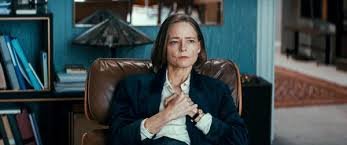
Unmasking Lilian Steiner: Jodie Foster’s Compelling Turn in ‘A Private Life’
When it comes to versatility, few actresses command the screen like Jodie Foster. In the atmospheric French production A Private Life (Vie Privée), directed by Rebecca Zlotowski, Foster delivers a nuanced performance as Lilian Steiner, a psychiatrist whose professional rigor masks a chaotic personal life.
The film is not just a murder mystery; it is a journey of self-discovery. Lilian becomes obsessed with the theory that her patient, Paula Cohen-Solal, didn’t commit suicide but was murdered—first by her daughter and then by her husband. This obsession leads Lilian on a wild trajectory that forces her to confront her own flaws and rekindle a dormant connection with her ex-husband, Gabriel Haddad.
A Masterclass in Character Arc
One of the most striking aspects of the film is how it handles the evolution of Lilian. Director Rebecca Zlotowski intentionally crafted a character who starts as a “bad therapist” and a distant mother. By avoiding the tropes of typical psychological dramas, the film allows Jodie Foster to explore a character arc that feels organic and authentic.
As the plot unfolds, we witness a transformation. Lilian isn’t just solving a mystery; she is reconnecting with her passion for her work and her capacity for human connection. This blend of professional crisis and personal awakening makes the performance both relatable and captivating.
Hitchcockian Vibes and Cinematic Influences
The direction of A Private Life draws heavily from the golden age of cinema. Zlotowski acknowledges influences from masters such as Alfred Hitchcock, Fritz Lang, and even the surrealism of David Lynch. This is evident in the film’s “playground” approach to suspense—opening and closing doors of mystery to keep the audience engaged.
- Psychological Depth: The film mirrors the 1940s fascination with psychoanalysis, reminiscent of classics like Spellbound.
- Genre Blending: It seamlessly transitions between a murder mystery, a marriage-centered comedy, and a psychological study.
- On-Screen Chemistry: The dynamic between Jodie Foster and Daniel Auteuil provides a warm, human contrast to the film’s clinical suspicions.
The Director’s Vision: Freedom and Humour
For Zlotowski, working with Jodie Foster represented a pinnacle of creative freedom. The director integrated elements of Jewish humor—a specific type of irony where the audience is invited to connect with the character’s imperfections—to make Lilian more sympathetic despite her flaws.
The film challenges the viewer to be flexible. Whether you watch it as a thriller or a romantic drama, the journey remains rewarding. As noted on IMDb, the strength of such international co-productions often lies in the collision of different cinematic cultures—in this case, the psychological depth of French cinema meeting the storytelling precision of Hollywood.
Final Thoughts: Why It Matters
A Private Life is a testament to the enduring talent of Jodie Foster. By stepping into a bilingual role and embracing a character who is intentionally unlikable at first, Foster reminds us why she remains one of the most respected figures in the industry. The film encourages us to remain “interested in things,” echoing a sentiment often attributed to Jane Fonda, and invites the audience to find beauty in the messiness of human relationships.