Jason Clarke: A Rising Star Forged in the Streets of Chicago
Long before Shawn Ryan captivated audiences with the Netflix hit The Night Agent, he was already a master storyteller in the realm of crime dramas. His breakthrough came with The Shield, a groundbreaking FX series that redefined gritty police storytelling. However, in 2011, Ryan unveiled a different kind of project – The Chicago Code, a FOX drama that, despite its short run of one season, left an indelible mark on those who discovered it.
A Deep Dive into Chicago’s Underbelly
Set in Ryan’s hometown of Chicago, The Chicago Code masterfully blended the intensity of street-level police work with the intricate web of the city’s political machine. The result was a compelling mix, often likened to The Wire filtered through the structure of a network cop show. This unique blend made its premature cancellation all the more frustrating for fans.
Jarek Wysocki: Jason Clarke’s Defining Role
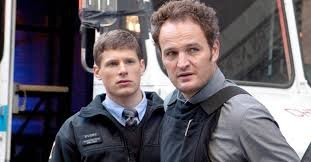
At the heart of The Chicago Code is Detective Jarek Wysocki, brilliantly portrayed by Jason Clarke. Wysocki is a seasoned, respected Chicago police officer, navigating the city’s complex landscape of crime and corruption. He stands in stark contrast to the morally ambiguous Vic Mackey of The Shield. Recruited by the newly-elected Superintendent of Police, Teresa Colvin (Jennifer Beals), and his former partner, Wysocki is tasked with cleaning up corruption within the police department and Chicago’s political establishment.
Colvin recognizes Wysocki’s deep understanding of the city and his pragmatic approach – his willingness to bend the rules when necessary – as crucial assets in this fight. The series’ tension largely stems from Wysocki’s pursuit of Alderman Ronin Gibbons (Delroy Lindo), a powerful and charismatic politician suspected of being deeply involved in the corruption Colvin aims to dismantle. Simultaneously, the show explores the daily realities of the Chicago police force through the eyes of Detective Caleb Evers (Matt Lauria), a younger officer learning the ropes.
A City as a Character
Shawn Ryan’s connection to Chicago is palpable throughout the series. Unlike many procedurals that treat their settings as mere backdrops, The Chicago Code makes the city itself a central character. From its distinct neighborhoods and political traditions to the complex relationships between law enforcement and local power brokers, Chicago is woven into the very fabric of the story. The show predates the popular One Chicago franchise, making it a pioneering modern drama in fully exploring the city’s identity on screen.
A Premature End and Lasting Legacy
Despite receiving strong reviews, including a rare 100% score on Rotten Tomatoes, FOX cancelled The Chicago Code after just 13 episodes. This abrupt ending cut short what felt like the beginning of a much larger story and a showcase for an exceptionally talented cast.
The Cast: A Showcase of Talent
The cast of The Chicago Code is a testament to Shawn Ryan’s keen eye for talent. Jason Clarke delivers a magnetic performance as Jarek Wysocki, portraying him as funny, stubborn, vulnerable, and incredibly likable. This role served as a springboard for Clarke, who has since become a prominent figure in both film and television. Jennifer Beals equally shines as Superintendent Teresa Colvin, embodying a woman navigating the pressures of leadership and the realities of policing. Matt Lauria, known for his breakout role in Friday Night Lights, provides the show with an emotional core as Caleb Evers, whose partnership with Wysocki explores themes of mentorship and tension. And Delroy Lindo delivers a captivating performance as Alderman Ronin Gibbons, a charismatic yet menacing antagonist.
Looking back, it’s remarkable to see how many members of the ensemble have gone on to lead major projects. Clarke, Beals, Lauria, and Lindo have all headlined significant films and television series, further highlighting the show’s exceptional cast.
While Ryan’s success with The Shield might suggest The Chicago Code would have thrived on a grittier cable network, its cancellation after just 13 episodes remains a source of frustration for fans. Nevertheless, it endures as one of the most underrated police dramas of the 2010s – a short, but incredibly satisfying binge.