Jack Nicholson. The name itself conjures images of a mischievous grin, intense eyes, and a career spanning decades of cinematic brilliance. Born John Joseph Nicholson on April 22, 1937, in Neptune City, New Jersey, Nicholson’s journey to becoming a Hollywood icon is a story of talent, perseverance, and a touch of enigmatic charm. He remains one of the most recognizable and respected actors in film history.
Early Life and Breaking into Hollywood
Nicholson’s early life was marked by uncertainty. Raised by his sister, June, after his mother’s identity remained a long-held family secret (later revealed to be Ethel May Lohman), he didn’t know his biological father until much later in life. This sense of mystery arguably contributed to the complex and often unpredictable characters he would portray on screen. He began acting in high school and moved to New York City in 1954, initially taking classes at the Actors Studio. Early roles were small, often uncredited, but he steadily gained experience, working alongside actors like James Dean.
His breakthrough came in the early 1960s with Roger Corman, a prolific B-movie producer. Nicholson’s work on Corman’s films, including The Little Shop of Horrors (1960) and The Raven (1963), showcased his burgeoning talent and willingness to experiment. These roles weren’t glamorous, but they provided invaluable experience and a platform to hone his craft.
The Rise to Stardom: Iconic Roles
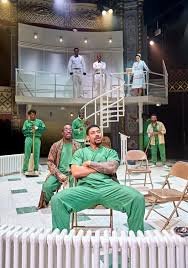
The late 1960s and 70s saw Nicholson’s career truly take off. He starred in critically acclaimed films like Easy Rider (1969), which catapulted him to mainstream recognition, earning him his first Academy Award nomination. However, it was 1975’s One Flew Over the Cuckoo’s Nest that cemented his status as a superstar. His portrayal of Randle McMurphy, a rebellious patient in a mental institution, won him his first Academy Award for Best Actor. This performance is widely considered one of the greatest in cinematic history.
The 1980s brought further success with Stanley Kubrick’s The Shining (1980), a psychological horror masterpiece where Nicholson delivered a chilling and unforgettable performance as Jack Torrance. He continued to demonstrate his versatility with roles in Terms of Endearment (1983), winning him a second Academy Award (this time for Best Supporting Actor), and Batman (1989), where he brilliantly embodied the Joker, redefining the character for a new generation. His ability to seamlessly transition between dramatic and comedic roles is a testament to his exceptional range.
Later Career and Legacy
Nicholson remained a prominent figure in Hollywood throughout the 1990s and 2000s, starring in films like A Few Good Men (1992), As Good as It Gets (1997), earning him another Academy Award, and About Schmidt (2002). While he hasn’t appeared in a film since 2010’s How Do You Know, his impact on cinema remains profound.
Jack Nicholson’s legacy extends beyond his numerous awards and box office successes. He is celebrated for his fearless approach to acting, his willingness to take risks, and his ability to create characters that are both captivating and deeply human. He’s a true icon, and his films continue to inspire and entertain audiences worldwide. You can learn more about his filmography and impact on cinema at IMDb.