Hugh Jackman and the Darker Side of Robin Hood: Myth vs. Medieval Reality
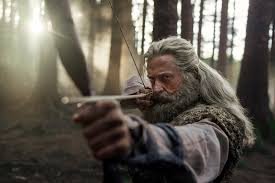
When we think of Robin Hood, we usually imagine a charming rogue stealing from the rich to give to the poor. However, the upcoming release of The Death of Robin Hood, starring the legendary Hugh Jackman, promises to strip away the polish and reveal a much grittier, more visceral version of the medieval outlaw.
Interestingly, the buzz surrounding Jackman’s portrayal coincides with a somber milestone in the real world: the passing of the Major Oak in Sherwood Forest. As the tree that served as the legendary hideout for the outlaw and his Merry Men fades, cinema is breathing new life—and new brutality—into the legend.
A Different Kind of Hero: Hugh Jackman’s Gritty Take
Director Michael Sarnoski isn’t interested in the sanitized version of the hero. Instead, Jackman embodies a version of Robin Hood inspired by the earliest, more violent literary accounts. In these ancient tales, the outlaw wasn’t just a social activist; he was a man capable of shocking violence and deep torment.
For instance, early accounts describe Robin beheading his enemies and mutilating them to ensure they remained unrecognizable. This is the “tortured” essence that Hugh Jackman brings to the screen, challenging our modern perceptions of the legendary archer.
Beyond the Legend: What the Movies Don’t Tell You
The Robin Hood we know today is a far cry from the original 15th-century stories. If you dig into the historical archives, you’ll find a character that is almost unrecognizable:
- n
- No Maid Marian: In the earliest surviving stories, there is no romantic interest. Robin’s primary devotion was to the Virgin Mary.
- Complex Morality: While he fought corruption, his “charity” wasn’t always directed at peasants. He often helped honest knights who had fallen on hard times.
- Brutal Justice: The “merry” part of the Merry Men was often overshadowed by the harsh realities of medieval survival.
You can learn more about the historical evolution of the Robin Hood myth to see how the character shifted over centuries.
The Forgotten Outlaws of Medieval England
While Hugh Jackman keeps Robin Hood in the global spotlight, dozens of other medieval outlaws have been erased from public memory. Figures like Fulk FitzWarin, Hereward the Wake, and William Cloudesley led lives just as daring—and often more dangerous—than the fictional Robin.
Take the story of William Cloudesley and his companions, Adam Bell and Clim of the Clough. Their lives were marked by:
- n
- Daring Rescues: Cloudesley was once saved from the gallows in a cinematic rescue that predates modern action movies.
- Family Struggle: His wife, Alice, is portrayed as a fierce protector, fighting off the sheriff’s men with a poleaxe.
- True Grit: These men were outlawed for poaching, a crime that resonated with the oppressed lower classes of the time.
Why Robin Hood Still Dominates
So, why does the world remember Robin Hood while forgetting the likes of Cloudesley or Eustace the Monk? The answer lies in the legend’s mutability. Robin Hood has always been a mirror, reflecting the values, fears, and desires of whichever era is retelling his story.
Whether it is a folk hero for the poor or a brutal survivor portrayed by Hugh Jackman, Robin Hood remains the ultimate symbol of rebellion against injustice. Perhaps it is now time for the other “forgotten” outlaws of the English forests to step out of his shadow and reclaim their place in history.