Who Says Opera is Dead? How Rosalía is Leading a Classical Revival
For a while, the general consensus seemed to be that opera was a relic of the past. Even Timothée Chalamet once suggested it was an art form that “no one cares about.” However, the leadership at the Welsh National Opera (WNO) begs to differ. In fact, they argue that opera has never been more culturally relevant than it is right now.
The ‘Rosalía Effect’: Bridging the Gap Between Pop and Classical
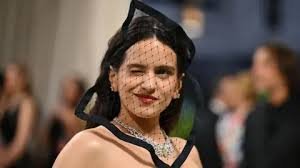
A significant part of this resurgence can be attributed to the boundary-pushing artistry of Spanish superstar Rosalía. With her classically trained background and her opera-influenced album Lux, Rosalía has successfully translated the grandeur of the opera house into the digital age.
Her impact wasn’t just limited to the recording studio. Her breathtaking performance of the single Berghain at the Brit Awards—featuring Bjork, a full orchestra, and a youth choir—introduced the dramatic scale of operatic performance to millions of global viewers who might never have stepped foot in a traditional opera house.
The Rise of ‘Opera Aesthetics’ on Social Media
It’s not just the music; it’s the visuals. Social media platforms like TikTok and Pinterest are witnessing a surge in what is being called “opera aesthetics.” This trend celebrates the opulent, the theatrical, and the dramatic.
- n
- Pinterest Trends: There has been a staggering 55% increase in searches for opera-themed dresses over the past year.
- TikTok Influence: Short-form videos using Rosalía’s operatic sounds have turned classical motifs into viral trends.
- Modern Fusion: Experts note a growing trend of merging Vivaldi-style compositions with modern hip hop and pop beats.
From Amateur Beginnings to Cultural Powerhouse
The Welsh National Opera itself is a testament to the accessibility of the art form. Founded 80 years ago in 1946, the WNO didn’t start with elite funding. It began with 60 amateur singers—miners, teachers, and railway workers—rehearsing above a garage in Cardiff.
While the company has faced recent challenges, including significant funding cuts that threatened its touring capabilities, the crisis has unexpectedly reaffirmed its value. Co-director Sarah Crabtree notes that the struggle has made the public realize that the WNO is a meaningful cultural organization at the very heart of Welsh identity.
A Living, Breathing Art Form
As co-director Adele Thomas puts it, opera is not a “historic re-enactment” but a living work of art. By drawing on design, contemporary performance, and the influence of modern icons like Rosalía, opera is shedding its image as an exclusionary art form.
Whether through a viral Pinterest board or a chart-topping album, the dramatic power of opera is finding its way back into the hearts of a new generation, proving that the theatrical and the opulent are timeless.