The Secret Strategy Behind Nintendo’s Retro Revival
For years, gaming fans wondered why Nintendo suddenly decided to release miniaturized versions of its most iconic consoles. While many saw the NES and SNES Classic Editions as mere nostalgia trips, the reality was far more strategic—and urgent. According to former Nintendo of America president Reggie Fils-Aimé, these devices were critical lifelines during one of the company’s toughest eras.
In a recent talk at the NYU Game Center Lecture Series, Reggie revealed that the micro legacy devices were specifically designed to sustain the company’s business while the Wii U was struggling to survive in the marketplace.
The Wii U Crisis: A Console on ‘Life Support’
It is no secret that the Wii U didn’t capture the magic of its predecessor, the Wii. After a promising first year, sales plummeted, leaving Nintendo in a precarious financial position. To combat this, the company had to pivot quickly and experiment with various commercial ideas to keep the momentum going.
Reggie explained that the company took several drastic measures to stabilize, including:
- n
- Cutting Underperforming Hardware: The 8GB Wii U model was removed from retailers due to lack of consumer interest.
- Embracing Indie Developers: Nintendo began working more closely with independent studios to diversify its software library.
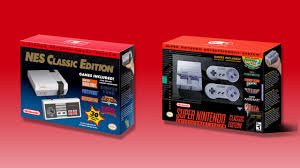
- The Legacy Pivot: The launch of the NES Classic Edition in 2016 and the SNES Classic Edition in 2017.
“We did that to sustain our business because we needed something to sell at volume come the holiday season… knowing full well that… you know, the Wii U was on life support.” — Reggie Fils-Aimé
Why No N64 or Game Boy Classics?
Following the massive success of the mini consoles, fans worldwide clamoured for a Nintendo 64 or Game Boy Classic. However, these never materialized. Why?
The answer lies in the overwhelming success of the Nintendo Switch. With the Switch (and the anticipation surrounding the Switch 2), Nintendo found a more sustainable way to deliver classic titles through digital libraries and subscription services. The need for standalone “micro” hardware vanished once the company regained its dominant market position.
Final Thoughts on Nintendo’s Resilience
The story of the NES and SNES Classics is a masterclass in business agility. By leveraging nostalgia and high-volume holiday sales, Nintendo bridged the gap between a failing console and the global phenomenon that the Switch became.
For more insights into the evolution of gaming hardware, you can explore the official Nintendo website to see how they continue to integrate legacy content into modern systems.