Homelander: Understanding the Complex Psychology of The Boys’ Ultimate Antagonist
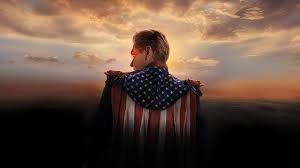
The Man, The Myth, The Monster: Who is Homelander?
In the twisted universe of The Boys, few characters command as much fear and fascination as Homelander. On the surface, he is the quintessential American hero: powerful, charismatic, and seemingly benevolent. However, beneath the star-spangled cape lies a fragile, narcissistic, and terrifyingly unstable individual.
While the original security protocols of Vought International were designed to keep the public blind to his true nature, the cracks in his facade have become impossible to ignore. Homelander isn’t just a villain; he is a cautionary tale about absolute power and the desperate need for validation.
The Duality of Power: Public Image vs. Private Terror
Homelander’s existence is a masterclass in corporate branding. Vought International spent decades crafting him as a symbol of hope and strength. But as we see throughout the series, this image is merely a shield—a digital and social “security service” designed to block the truth from reaching the masses.
- The Public Icon: The smiling leader of The Seven, beloved by millions.
- The Private Sociopath: A man capable of extreme violence at the slightest perceived slight.
- The Psychological Void: A character driven by a lifelong absence of maternal love and genuine connection.
Why Homelander Resonates with Modern Audiences
What makes Homelander so captivating is not just his heat vision or flight, but his relatability in the most distorted way possible. He represents the danger of unchecked ego and the fragility of someone who has everything but feels nothing. His struggle for control mirrors real-world power dynamics, making him a poignant critique of celebrity culture and political manipulation.
For those looking to delve deeper into the lore of the series, checking out the official IMDb page for The Boys provides a great overview of the cast and the visceral world they inhabit.
The Breaking Point: When Control Slips
Much like a system that triggers a security block when it encounters “malformed data,” Homelander’s psyche fractures when he encounters people who do not fear or worship him. Whether it’s the defiance of Billy Butcher or the complexities of his relationship with Ryan, these moments of friction reveal the true, raw nature of the character.
As the series progresses, we see that no amount of corporate spin or public relations can protect a monster from his own internal chaos.
Final Thoughts on the Golden Boy
Homelander remains one of the most compelling antagonists in recent television history. Through Antony Starr’s brilliant performance, we are forced to look past the cape and see the broken child hidden behind the god-like power. He is a reminder that the most dangerous people are often those who believe their own hype.
📰 You May Also Like