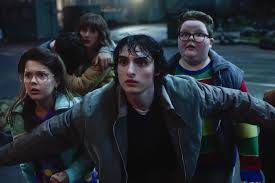
The phrase “handsome devil” has seen a resurgence in online discussions, often sparked by appreciation for charismatic actors and compelling characters. However, the term’s origins and a particularly noteworthy association come from the 2016 Irish coming-of-age film, Handsome Devil. This film, directed by John Butler, isn’t simply about aesthetics; it’s a poignant exploration of identity, sexuality, and the pressures of conformity within a traditionally masculine environment.
What is ‘Handsome Devil’ About?
Set in an all-boys boarding school in Ireland, Handsome Devil follows Ned Roche (Fionn O’Shea) and Conor Masters (Andrew Scott), two students who form an unlikely friendship. Ned, a quiet and artistic student, is forced to share a room with Conor, the school’s star rugby player. Their initial animosity gradually gives way to a deep connection as they navigate the challenges of adolescence, societal expectations, and their own burgeoning identities. The film tackles themes of homophobia, bullying, and the importance of self-acceptance with sensitivity and humour.
Critical Reception and Awards
Handsome Devil received widespread critical acclaim upon its release. Critics praised the film’s nuanced portrayal of teenage relationships, its witty dialogue, and its powerful message. The film garnered several nominations and awards, including the Audience Award at the Dublin International Film Festival. Many reviewers highlighted the strong performances from O’Shea and Scott, as well as the supporting cast. The film’s success helped to bring Irish cinema to a wider international audience.
The Cultural Impact of ‘Handsome Devil’
Beyond its critical success, Handsome Devil has resonated with audiences for its honest and relatable depiction of the struggles faced by LGBTQ+ youth. The film sparked important conversations about masculinity, homophobia, and the importance of creating inclusive environments. Its impact extends beyond the LGBTQ+ community, offering a universal message about the importance of embracing individuality and challenging societal norms. The film’s popularity has been sustained through streaming platforms and continues to be discussed online, contributing to the renewed interest in the phrase “handsome devil”.
Why the Phrase Resonates
The phrase itself, “handsome devil,” carries a playful ambiguity. While traditionally used to describe an attractive but mischievous man, the film reclaims it, imbuing it with a sense of vulnerability and authenticity. It’s a term of endearment that acknowledges both the outward charm and the inner complexities of the characters. The film’s association with the phrase has given it a new layer of meaning, often used now to express admiration for characters who challenge conventional notions of masculinity and embrace their true selves. You can learn more about Irish cinema at the Irish Film Board website.
Ultimately, Handsome Devil is more than just a film; it’s a cultural touchstone that continues to inspire and provoke thought. Its enduring appeal lies in its ability to connect with audiences on a deeply emotional level, reminding us of the importance of empathy, acceptance, and the courage to be ourselves.