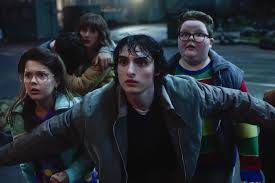
Friday the 13th. The very phrase conjures images of bad luck, horror movies, and a general sense of unease. But where did this superstition come from? Is there any real reason to fear this particular day? Let’s delve into the fascinating history and cultural impact of Friday the 13th.
The Roots of the Superstition: A Combination of Factors
The fear of Friday the 13th isn’t a single, easily traceable origin story. It’s a confluence of historical events, religious beliefs, and cultural narratives. Both Friday and the number 13 have, independently, been considered unlucky for centuries.
Why Friday?
Historically, Friday has been associated with misfortune in Christian tradition. It’s believed to be the day of the Crucifixion of Jesus Christ. Furthermore, in some cultures, Friday was considered a day for executions and public punishments. Geoffrey Chaucer even alluded to Friday as a day of ill omen in The Canterbury Tales in 1387.
The Unlucky Number 13
The number 13’s association with bad luck is equally complex. Some theories link it to the Last Supper, where Judas Iscariot was the 13th guest. Norse mythology also features a tale of a dinner party of 12 gods disrupted by the 13th, Loki, leading to chaos and the death of Balder. This has led to a phenomenon called triskaidekaphobia – the fear of the number 13.
The Combination: When Did Friday the 13th Become a Thing?
While both Friday and 13 were considered unlucky separately, the combination didn’t gain widespread notoriety until the 20th century. Some point to the 1907 novel Friday, the Thirteenth by Thomas W. Lawson as a key catalyst. This thriller featured a stock market crash occurring on a Friday the 13th, solidifying the day’s association with misfortune in the public consciousness.
The Cultural Impact: From Superstition to Slasher Films
The superstition surrounding Friday the 13th has permeated popular culture. The iconic Friday the 13th horror film franchise, beginning in 1980, cemented the day’s reputation as a time of terror and violence. These films, while fictional, have undoubtedly contributed to the widespread fear and fascination with the date. The day often sees increased reports of people staying home, avoiding travel, and generally being more cautious.
Is There Any Truth to the Fear?
Statistically, there’s no evidence to suggest that Friday the 13th is inherently more dangerous than any other day. However, the power of suggestion and the self-fulfilling prophecy can play a role. If people *believe* something bad will happen, they may be more likely to perceive events negatively or act in ways that increase their risk. Ultimately, whether you choose to embrace the superstition or dismiss it is a matter of personal belief.
So, the next time Friday the 13th rolls around, remember the rich history and cultural context behind the superstition. Perhaps a little extra caution is wise, but don’t let fear ruin your day!