A Return to ‘Meat and Potatoes’ Cinema
In an era dominated by endless sequels and overwhelming CGI spectacles, Hollywood often seems to have forgotten the art of the rugged, no-nonsense adventure. Fortunately, indie cinema continues to fill the void. Director Padraic McKinley’s Sundance hit, “The Weight,” is exactly the kind of raw, atmospheric storytelling that modern studios have abandoned.
Comparing the film to the visceral energy of Hell or High Water, “The Weight” evokes a sense of nostalgia for classic cinema—the kind of movie that becomes a timeless favorite, destined for decades of rewatches.
The Plot: A High-Stakes Getaway
Set in 1933, against the backdrop of the Great Depression and FDR’s impending nationalization of the U.S. gold supply, the film follows Ethan Hawke as Murphy. A single father and struggling mechanic, Murphy finds himself imprisoned in a brutal Oregon work farm after a violent encounter with corrupt police officers who were harassing his daughter.
The tension peaks when a crooked warden, played by the formidable Russell Crowe, strikes a deal. In exchange for early release, Murphy and three other convicts must transport massive backpacks full of gold bars through the treacherous, unforgiving terrain of the Pacific Northwest.
Unlike most heist films that focus on the robbery, “The Weight” focuses on the logistics of the getaway. It captures the grueling physical toll of transporting ill-gotten gains, reminiscent of the struggle seen in Triple Frontier, where the weight of the loot becomes as much of an enemy as the people chasing them.
Ethan Hawke: The New Heir to the ‘Man with No Name’
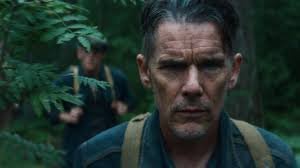
While Ethan Hawke is widely recognized for his intellectual range and his long-term collaborations with Richard Linklater, “The Weight” showcases a completely different side of his talent. In a stunning homage to Clint Eastwood, Hawke portrays Murphy with a gravelly voice and a piercing “Clint-squint.”
- Minimalist Performance: Hawke trades his usual gift of gab for withering one-liners and silent intensity.
- Authentic Aging: In a refreshing departure from the “smoothed-over” faces of modern cinema, Hawke’s natural worry lines and rugged features add a layer of credibility to his character.
- Strategic Intelligence: He perfectly channels Eastwood’s ability to size up a situation, remaining the wiliest man in the room even when outgunned.
A Clash of Titans: Hawke vs. Crowe
The film benefits greatly from the chemistry between its leads. Russell Crowe, shifting into a compelling supporting role, plays the sadistic warden with an intriguing softness. Crowe’s chatty, eccentric villain provides a brilliant visual and temperamental contrast to Hawke’s implacable, angular presence.
Cinematography and Direction
Shot in Germany to simulate the harsh Oregon wilderness, the film utilizes handheld digital cinematography and wide-angle lenses. This creates a modern, slightly distorted look that contrasts with the classical nature of the screenplay. The editing is as brusque as the hero himself, stripping away unnecessary exposition to maintain a relentless headlong momentum.
For those who miss the era of “hardass” protagonists and lean storytelling, “The Weight” is an uncommonly satisfying experience. It’s a film that proves you don’t need a massive budget to create massive tension.
“The Weight” arrives in theaters on September 17. Check out more about the Sundance Film Festival to see other indie gems making waves this year.