Doug Irwin Guitars: The Legacy of a Master Luthier
Doug Irwin is a name whispered with reverence among guitar collectors and musicians alike. He wasn’t a mass producer; he was an artist, a craftsman who poured his heart and soul into each instrument he created. His guitars aren’t just tools for making music; they are works of art, steeped in history and played by some of the most influential guitarists of all time. This article delves into the fascinating world of Doug Irwin guitars, exploring his journey, his techniques, and the enduring legacy he’s built.
The Early Years and Apprenticeship
Born in 1940, Doug Irwin’s passion for guitars began early. He didn’t just want to play them; he wanted to understand how they were made. This led him to an apprenticeship with the renowned luthier, Harold “Hal” Roberts, in Petaluma, California. Roberts was a master of his craft, and Irwin absorbed everything he could from him, honing his skills in woodworking, bracing patterns, and finish work. This foundational experience would prove crucial in shaping Irwin’s unique style.
A Unique Approach to Guitar Building
Irwin quickly distinguished himself from other luthiers. He wasn’t content with simply replicating existing designs. He experimented with different woods, bracing patterns, and body shapes, always striving for optimal tone and playability. He became known for his innovative use of materials like Cocobolo, Brazilian Rosewood, and figured Maple. His guitars often featured complex inlays and stunning finishes, showcasing his artistic flair. He was a pioneer in using computer-aided design (CAD) in the early 1980s, allowing for greater precision and complexity in his designs.
The Stevie Ray Vaughan Connection
Perhaps the most famous association with Doug Irwin guitars is with the legendary Stevie Ray Vaughan (SRV). SRV owned several Irwin guitars, most notably his iconic “Number One” – a 1959-style Stratocaster with a unique combination of features. This guitar became synonymous with SRV’s sound and image, and its influence can be heard on countless recordings. The story of SRV and his Irwin guitars is a testament to the quality and playability of Irwin’s instruments. SRV’s preference for Irwin’s work significantly boosted the luthier’s profile and cemented his place in guitar history. You can learn more about SRV’s guitars at Fender’s official website.
Other Notable Players
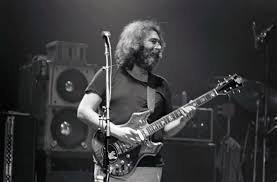
While SRV is the most well-known, many other prominent musicians have played Doug Irwin guitars, including Jerry Garcia (of the Grateful Dead), Joe Perry (Aerosmith), and many more. This diverse clientele speaks to the versatility and appeal of Irwin’s instruments across various genres.
The Value of a Doug Irwin Guitar
Due to their rarity, craftsmanship, and historical significance, Doug Irwin guitars command incredibly high prices on the vintage market. A well-preserved Irwin can easily fetch six figures, with SRV-associated guitars reaching astronomical sums. Factors influencing the price include the model, year of manufacture, wood selection, and provenance (history of ownership). The limited number of guitars Irwin produced – fewer than 300 in his career – further contributes to their value.
The Legacy Continues
Doug Irwin continues to build guitars today, though at a slower pace. His instruments remain highly sought after by collectors and musicians who appreciate the artistry and quality that define his work. The legacy of Doug Irwin guitars is one of innovation, craftsmanship, and a dedication to creating instruments that inspire musicians for generations to come. His influence on the world of guitar building is undeniable, and his guitars will continue to be treasured as masterpieces of the luthier’s art.
For further information on vintage guitars and their values, consider exploring resources like Reverb’s Vintage Guitar Price Guide.