Día de los Muertos: The Sacred Meaning and Magic of the Altar
More Than a Tradition: The Soul of Día de los Muertos
Día de los Muertos, or Day of the Dead, is far more than a vibrant festival of colors and sugar skulls. At its heart, it is a profound act of love, a bridge between the living and the departed, and a celebration of the eternal bond that death cannot sever. To truly understand this Mexican tradition is to understand that death is not an end, but a different stage of existence.
The Altar: A Portal of Remembrance
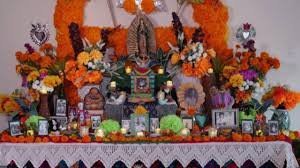
An altar (or ofrenda) is not merely a decorative display; it is a living invitation. It is a space created to welcome souls back to the earthly plane, allowing families to speak, care for, and honor those who have passed. As many practitioners believe, an altar is where we keep our loved ones alive through the power of memory.
Every element on the altar carries a deep symbolic meaning:
- n
- Cempasúchil (Marigolds): These bright orange flowers, known for their 20 petals, act as a fragrant path to guide souls back to their family homes.
- Candles and Copal: The fire of the candles provides light for the journey, while the scent of copal incense purifies the space and carries prayers to the heavens.
- Photographs and Favorite Foods: These personal touches ensure the spirits feel recognized and pampered, reminding them that their tastes and presence are still cherished.
Wisdom from an Expert: From Tradition to the Big Screen
The authenticity of this tradition has captured the world’s imagination, most notably in the Disney-Pixar film Coco. This cinematic masterpiece was informed by the wisdom of experts like Ofelia, a dedicated tradition-keeper who, at 94 years old, has spent her life building altars across California, Europe, and beyond.
Ofelia teaches us that the altar is a way to give a different meaning to death, viewing it as an integral part of the cycle of life. Her lifelong dedication proves that the essence of the ofrenda is the willingness to remember.
The Philosophy of the Three Deaths
One of the most poignant aspects of the Día de los Muertos philosophy is the concept of the three deaths. This perspective shifts our understanding of loss:
- The First Death: The moment we take our final breath and leave the physical world.
- The Second Death: The moment our body returns to the earth during burial.
- The Third Death: The most feared of all—the moment the last person on earth mentions our name or remembers us.
By creating altars and sharing stories, we effectively fight the “third death,” ensuring that our ancestors remain immortal in the hearts of those who love them.
A Global Celebration of Humanity
While deeply rooted in Mexican culture, Día de los Muertos has transcended borders. From the streets of Los Angeles to communities in Colombia, Venezuela, and Guatemala, people of all backgrounds are adopting this beautiful practice. This global expansion reflects a universal human need: the desire to remember and to be remembered.
To learn more about the historical roots of this celebration, you can explore the National Geographic guide on Day of the Dead.
Whether you are building your first altar or simply reflecting on a loved one, remember that as long as there is a photo, a candle, and a story, no one is truly gone.
📰 You May Also Like