The Eternal Energy of an Art-Rock Icon
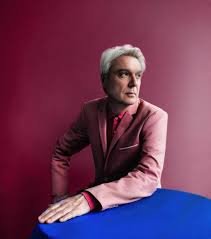
For decades, David Byrne has been more than just a musician; he has been a cultural phenomenon. With his signature blend of exhilarating melodies, hypnotic rhythms, and an avant-garde approach to performance, Byrne continues to redefine the boundaries of live entertainment. On April 16, the legendary artist brought this visionary energy to Stanford University’s Frost Amphitheater, delivering a breathtaking audio-visual experience co-presented by Stanford Live and Goldenvoice.
From Talking Heads to a Solo Powerhouse
Byrne first captured the world’s imagination as the frontman of the seminal art-rock band Talking Heads during the 70s and 80s. Their landmark production, Stop Making Sense, remains the gold standard for concert films and stagecraft. However, Byrne’s curiosity didn’t stop there. He evolved into a true polymath, advocating for bicycling and founding Reasons to be Cheerful, a nonprofit digital magazine dedicated to evidence-based hope.
Exploring ‘Who Is The Sky?’ and the Future of Performance
The recent visit to Stanford served as a bridge between the Coachella Valley Music & Arts Festival dates, showcasing material from his latest album, “Who Is The Sky?” (released in September 2025). The production was a marvel of modern technology and choreography:
- n
- Wireless Freedom: Carrying over the innovation from the American Utopia tour, Byrne and his 14 instrumentalists and dancers moved freely across the stage, completely unburdened by cables or bulky equipment.
- Immersive Visuals: The show featured stunning, unique projections for every song. A poignant moment occurred during the classic “Life During Wartime,” where visuals of ICE actions and protests added a layer of urgent social commentary.
- Timeless Vitality: At nearly 74, Byrne remains as spry and funky as ever, leading a synchronized troupe in matching outfits and precise choreography.
A Setlist That Bridges Generations
The evening’s setlist was a curated journey through Byrne’s expansive career. Fans were treated to a mix of cutting-edge new tracks and nostalgic anthems:
- New Hits: Tracks like “Everybody Laughs,” “When We Are Singing,” and “What is the Reason for It?” highlighted the fresh sound of the new album.
- Talking Heads Classics: The crowd erupted for staples such as “Once in a Lifetime,” “Nothing But Flowers,” and “And She Was.”
- Deep Cuts & Collaborations: The set included “Strange Overtones” (with Brian Eno) and the fan-favorite “Like Humans Do.”
The Theme of Home and Humanity
A recurring motif throughout the night was the concept of “home.” From the opening lines of “Naive Melody (This Must Be The Place)” to the high-energy finale of “Burning Down the House,” the music circled back to where we belong. During “My Apartment Is My Friend,” Byrne shared a personal panorama of his New York City home, reflecting on the sanctuary it provided during the COVID-19 pandemic.
The emotional peak arrived during “Heaven” (from Fear of Music). As an image of Earth from space floated behind the band on a simulated lunar landscape, Byrne reminded the audience: “That’s our heaven. The only one we have.”
A Legacy That Endures
Whether it is designing artistic bike racks for the Stanford campus or collaborating with modern stars like Olivia Rodrigo, David Byrne continues to prove that curiosity has no age limit. His ability to attract three generations of listeners—from those who bought the original vinyls to the children attending their first show—is a testament to his enduring relevance. In the world of David Byrne, it truly is same as it ever was, yet always evolving.