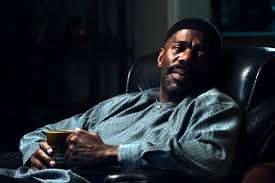
Colman Domingo on the Heart-Wrenching Euphoria Finale: Revenge, Redemption, and Ali’s Journey
The series finale of Euphoria didn’t just conclude a story; it shattered the emotional landscape of its viewers. At the center of this storm was Colman Domingo, who played Ali—the steady, moral compass and sobriety sponsor to Rue (Zendaya). While Ali was always a beacon of light, the final episode took him into a darkness we never expected.
The Breaking Point: From Empathy to Action
For much of the series, Ali represented the hope of recovery. However, the tragedy of Rue’s overdose on fentanyl-laced Percocet changed everything. The moment Ali discovers Rue is gone, the character undergoes a profound transformation. No longer the passive observer of pain, Ali decides that empathy is not enough to stop the cycle of addiction and death.
In a powerful monologue at an Alcoholics Anonymous meeting, Ali realizes a haunting truth: if you can empathize with the addict, you can empathize with the dealer. This realization propels him toward a path of “Old Testament” justice.
A Western Tale of Vengeance
The finale takes a cinematic turn, blending modern tragedy with the aesthetics of an American Western. To enact his revenge, Ali returns to his roots, donning his old Army uniform and wielding a sawed-off shotgun. This choice was a strategic collaboration between Colman Domingo and showrunner Sam Levinson to highlight Ali’s history of service.
The Confrontation at the Silver Slipper
- n
- The Target: Ali targets the drug dealers responsible for Rue’s death, including the formidable Alamo Brown.
- The Climax: In a tense standoff, Ali executes a calculated strike, mirroring a classic Western duel.
- The Resolution: By removing the “bad guys,” Ali makes a statement about the value of human life and the brutality of the drug trade.
n
n
n
Behind the Performance: Colman Domingo’s Insight
In a revealing interview, Colman Domingo shared that his portrayal of Ali was informed by real-life connections and a deep understanding of grief. He described the scene where he finds Rue’s body as a “Christ on the cross” moment—a period of quiet, internal anguish rather than loud screaming.
“I think he believed that Rue was his last chance. If he could help her, he would feel redeemed for his own tragedies and faults and addiction,” Domingo explained.
Domingo also emphasized the importance of representing diverse versions of Black manhood in the series, contrasting Ali’s measured discipline with the volatility of the villains.
Finding Peace in the Promised Land
The journey ends not with blood, but with breath. Ali travels to El Paso, Texas, to the homestead Rue once described as the most peaceful place she had ever been. There, he finds a quiet anonymity, reflecting on the nature of grace and the eternal search for light in a dark world.
Whether Ali’s journey was a literal sequence of events or a surreal dream experienced by Rue in her final moments, the impact of Colman Domingo’s performance remains. He gave Ali a soul that was complicated, human, and ultimately, searching for a way to make the world a little kinder.
For more on the gripping drama of the series, you can stream the complete journey on HBO Max.