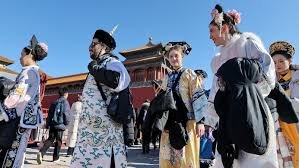
Chinamaxxing: A New Wave of Western Fascination with China
This cultural moment might be arriving at a pivotal time for many. Across social media, the phenomenon of “Chinamaxxing” has exploded, featuring videos of individuals enjoying simple pleasures – sipping hot water, relaxing in slippers, and sporting a viral Adidas jacket reminiscent of traditional Chinese attire. These actions, playfully presented by content creators, are framed as steps towards “becoming Chinese,” reflecting a growing Western curiosity and appreciation for Chinese culture and aesthetics.
The Rise of ‘Chinamaxxing’ on TikTok
The trend is particularly prominent on TikTok, where users are embracing elements of Chinese daily life. One creator captioned a video showcasing traditional Chinese exercises as their “morning routine as a new Chinese baddie.” Another video, garnering over 2.4 million views, demonstrates the preparation of fruit tea – a traditional Chinese remedy for gut health. This isn’t just about aesthetics; it’s about adopting a lifestyle.
A Pattern of Cultural Influence
This isn’t an isolated incident. We’ve witnessed similar trends with the global popularity of K-dramas, K-pop, and K-beauty, and the increasing influx of tourists to Japan captivated by its modernity and tradition. Now, it appears China is taking its turn on the global stage.
“For a long time, there was a discussion about China not having as much soft power compared to South Korea or Japan,” explains Tianyu Fang, a PhD student at Harvard University’s Department of the History of Science. “We’re seeing that change significantly in recent months – with Chinese video games, films, and even items like Labubus reshaping the cultural imagination of China in the US and beyond.”
Why Now? A Shift in Perspective
However, this wave feels distinct. Unlike South Korea and Japan, which are democratic allies of the US, China is an authoritarian state and a major geopolitical competitor. Furthermore, the trend emerges amidst a shift in American public sentiment.
Just a few years ago, the COVID-19 pandemic fueled a surge in anti-Asian hate crimes, exacerbated by inflammatory rhetoric. A trade war and existing tensions contributed to widespread Sinophobia. Against this backdrop, the embrace of “Chinamaxxing” by Gen Z Americans appears almost paradoxical.
Disillusionment and the Appeal of Alternatives
Experts suggest this trend reflects a deeper dissatisfaction with life in the US – political turmoil, gun violence, immigration issues, and racial tensions. This disillusionment drives a curiosity to explore alternative ways of life. Exposure also plays a role; as China’s dominance in technology and other fields becomes more apparent, Americans are increasingly noticing and appreciating its advancements.
The Role of Social Media and China’s Reopening
China’s reopening after COVID-19, with relaxed visa policies and increased tourism, has also contributed. The migration of social media users to platforms like Xiaohongshu (RedNote) after potential TikTok bans created a direct connection between Chinese and American users, fostering cultural exchange. CNN provides further insight into this phenomenon.
A Declining US Global Image
This trend coincides with a broader decline in the US’s global image. Immigration crackdowns, research budget cuts, and geopolitical tensions have prompted international students, scientists, and even allies to seek opportunities elsewhere. Videos showcasing futuristic Chinese cities like Chongqing and Shanghai, with their clean streets and advanced infrastructure, offer a seductive contrast.
More Than Just a Trend
While the romanticism of Chinese progress is often simplified – wages are lower, and challenges exist – the viral videos present a compelling alternative to America’s aging infrastructure and high cost of living. Fang argues that this trend reveals more about Americans’ feelings towards America than towards China itself.
China’s Growing Influence
China has been cultivating its soft and hard power in various regions for years. Products like Chinese EVs and smartphones are becoming increasingly common globally, though policy restrictions have limited their visibility in the US. Even traditional US allies are strengthening ties with China.
A Momentary Digital Bridge
While internet culture is fleeting, and the trend has faced criticism for potential cultural appropriation, “Chinamaxxing” offers a unique opportunity for cultural exchange. Fang expresses hope for a revival of the interest and understanding between the US and China that characterized a previous era.