Chasing the Magic: The Ultimate Guide to Seeing the Northern Lights in Canada
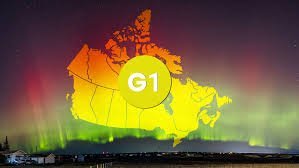
Witnessing the Celestial Dance: A Guide to the Northern Lights in Canada
There is perhaps no experience more humbling and breathtaking than standing under a midnight sky and watching the Northern Lights ripple across the horizon in shades of neon green, violet, and crimson. Known scientifically as the Aurora Borealis, this natural light show is a bucket-list item for travelers and nature lovers worldwide.
Canada, with its vast northern territories, is one of the premier destinations on Earth to witness this phenomenon. But how do you ensure you actually see them? In this guide, we dive into everything you need to know about aurora hunting in the Great White North.
What Exactly Are the Northern Lights?
Before you pack your bags, it helps to understand the science. The Northern Lights occur when charged particles from the sun collide with Earth’s magnetic field and atmosphere. These collisions create vibrant displays of light, primarily concentrated around the magnetic poles.
To learn more about the solar activity that drives these lights, you can explore the latest updates from NASA, which monitors the solar winds that trigger the most intense displays.
The Best Places in Canada to See the Aurora
While the lights can occasionally be seen further south, your chances increase significantly as you move toward the Arctic Circle. Here are the top hotspots:
- n
- Yellowknife, Northwest Territories: Often called the “Aurora Capital of North America,” its flat landscape and clear skies make it an ideal viewing spot.
- Whitehorse, Yukon: Offering a blend of stunning mountain scenery and high aurora visibility, Whitehorse is a favorite for winter adventurers.
- Churchill, Manitoba: Famous for polar bears, Churchill also provides a fantastic vantage point for the Northern Lights during the winter months.
- Nunavut: For those seeking a truly remote experience, the furthest reaches of Canada offer some of the darkest skies on the planet.
Pro Tips for a Successful Aurora Hunt
Seeing the Northern Lights requires a bit of luck, but you can tilt the odds in your favor with these strategies:
- Chase the Darkness: Light pollution is the enemy. Get as far away from city lights as possible.
- Check the Forecast: Use aurora forecasting apps or websites to monitor the Kp-index, which indicates the likelihood and intensity of the aurora.
- Timing is Everything: The best viewing window is typically between September and March, with the peak hours usually falling between 10 PM and 2 AM.
- Dress in Layers: Northern Canada is brutally cold. Wear thermal base layers, wool socks, and high-quality windproof outerwear to stay comfortable while waiting for the lights to appear.
Capturing the Moment: Photography Tips
To capture the magic on camera, you’ll need more than just a smartphone. A tripod is essential to avoid blur during long exposures. Set your camera to a wide aperture (low f-stop) and increase the shutter speed to between 5 and 15 seconds. This allows the sensor to soak up enough light to reveal the vivid colors of the sky.
Conclusion
The Northern Lights are more than just a visual spectacle; they are a reminder of the raw beauty and power of our universe. Whether you are a seasoned photographer or a curious traveler, a trip to Canada’s north is an investment in a memory that will last a lifetime.
Ready to start your adventure? Keep your eyes on the horizon and your heart open to the magic of the North!
📰 You May Also Like