Chasing the Magic: The Ultimate Guide to Seeing the Northern Lights in Canada
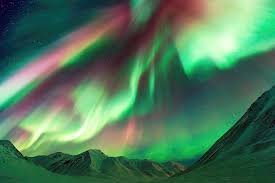
There is perhaps no celestial event more captivating than the northern lights. Known scientifically as the Aurora Borealis, these dancing ribbons of green, purple, and crimson light transform the Arctic sky into a living canvas. For many travellers, witnessing this phenomenon in the vast wilderness of Canada is a once-in-a-lifetime bucket list experience.
Whether you are a seasoned photographer or a curious traveller, knowing where to go and when to look is the key to a successful aurora hunt. In this guide, we dive deep into everything you need to know to witness the magic of the Canadian North.
What Exactly Are the Northern Lights?
Before we get into the travel tips, let’s touch upon the science. The northern lights occur when charged particles from the sun collide with gases in Earth’s atmosphere. This interaction creates vibrant bursts of light that are most visible in high-latitude regions near the Arctic Circle.
To learn more about the solar physics behind this event, NASA provides incredible insights into how solar winds influence our atmosphere.
The Best Destinations in Canada for Aurora Hunting
Canada is one of the premier global destinations for viewing the aurora due to its vast northern territories and low light pollution. Here are the top spots to visit:
- n
- Yellowknife, Northwest Territories: Often cited as the aurora capital of North America, Yellowknife offers an exceptional chance of sightings due to its clear skies and flat terrain.
- Whitehorse, Yukon: Perfect for those who love a mix of adventure and luxury. From cozy lodges to wild campsites, Whitehorse is a prime hub for the northern lights.
- Churchill, Manitoba: Known as the polar bear capital of the world, Churchill allows you to combine wildlife spotting with the ethereal beauty of the aurora.
Pro Tips for Your Celestial Adventure
Seeing the northern lights requires a bit of preparation. You can’t simply book a flight and expect a show; nature dictates the schedule. Follow these tips to increase your odds:
1. Timing is Everything
The best time to visit is between September and March. During these months, the nights are longer and darker, providing the necessary contrast to see the colours vividly.
2. Escape the City Lights
Light pollution is the enemy of the aurora. To get the most breathtaking views, head away from town centres. The darker the sky, the more intense the colours will appear.
3. Dress for the Arctic
Canadian winters are legendary for their cold. To enjoy your experience, employ the “layering technique”: a moisture-wicking base layer, an insulating middle layer (like fleece or wool), and a windproof, waterproof outer shell.
4. Use Technology to Your Advantage
Download aurora forecasting apps or check the SpaceWeather.com portal to track solar activity and KP-index levels, which indicate the likelihood and intensity of the lights.
Conclusion: A Journey into the Infinite
Standing under a shimmering sky of emerald and violet is a humbling experience that reminds us of the sheer beauty and power of our universe. While the northern lights are unpredictable, the thrill of the chase is half the fun.
Are you ready to witness the glow? Start planning your trip to the Canadian North and prepare to be amazed by one of nature’s greatest spectacles!