Beyond the Screen: Why We Still Crave Movie Times and the Magic of the Cinema Experience
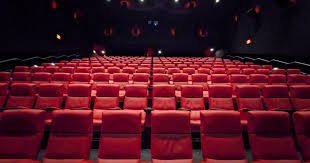
The Electric Energy of the Big Screen
There is an irreplaceable magic that happens when the lights dim and the projector hums to life. Recently, at a packed opening weekend screening of A24’s Primetime at AMC Santa Monica, that energy was palpable. The crowd wasn’t just there to watch a film; they were there for a shared event. When Robert Pattinson delivered a shocking, neurotic portrayal of Chris Hansen, the room erupted in a symphony of cheers, gasps, and laughter.
For many, checking movie times isn’t just about scheduling; it’s about reclaiming a classic social ritual. In an era of isolated viewing, the theater remains one of the few places where strangers connect through a collective emotional journey.
The Great Cinema Crisis: Streaming vs. The Studio
For a while, it seemed the “killer” of the movie theater had been identified: the rise of streaming services. However, a closer look reveals that the real disruption came from within. During the COVID-19 lockdowns, studio executives pivoted aggressively toward the streaming economy to recoup massive box office losses.
- The Pivot: In 2020, Warner Bros. shocked the industry by announcing that its entire 2021 slate—including Dune and Godzilla vs. Kong—would premiere simultaneously in theaters and on HBO Max.
- The Boom: While theaters struggled, streaming stocks soared. Netflix, for instance, saw a 73% jump in share price between March and July 2020.
- The Cost: This aggressive shift wasn’t without risk. Disney’s streaming division reported a staggering $4 billion operating loss in 2022, proving that the digital gold rush had a high price tag.
A Fight for Survival in the Urban Jungle
The impact was felt most acutely in entertainment hubs like Los Angeles. The closure of legendary venues, such as the Cinerama Dome and ArcLight Cinemas, left a void in the hearts of cinephiles. Between 2019 and 2022, over 2,000 movie screens vanished across the United States.
Yet, in the face of extinction, resilience emerged. Independent theaters like Vidiots and American Cinematheque fought back by offering curated classic films, director Q&As, and community-driven events. They recognized what the big algorithms missed: people crave human interaction.
The Road to Recovery: From Barbenheimer to 2026
The financial recovery of the cinema has been a slow climb, but a steady one. According to data from Box Office Mojo, domestic ticket sales plummeted from $11.36 billion in 2019 to just $2.11 billion in 2020. However, the tide began to turn.
The 2023 “Barbenheimer” phenomenon proved that online momentum and the desire for a “double feature” experience could drive billions back to the booths. By 2024 and 2025, revenues stabilized around the $8.6 billion mark. Interestingly, some moviegoers are now finding that checking movie times and buying a few tickets is actually more cost-effective than maintaining a dozen different streaming subscriptions.
Why the Theatre Experience Still Wins
Why do we still venture out? For students and film lovers alike, the answer is sensory and emotional. Whether it’s the immersive 4DX chairs that make you feel the action or the sheer scale of a quiet, dark room, the theater offers something a living room cannot.
“It’s the experience of going with your friends, sitting next to each other, sharing popcorn, and afterwards, just talking about it,” says Charlie Sonnek, a mechanical engineering student and frequent moviegoer.
From “healing the inner child” to the nostalgia of the big screen, the cinema is more than a business—it is a cultural sanctuary. While the industry may not have fully returned to its pre-pandemic financial peaks, the spirit of the movie theater is very much alive. As long as there are stories to tell and people who want to experience them together, we will keep searching for the latest movie times.
📰 You May Also Like