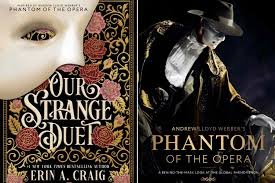
Andrew Lloyd Webber: A Legacy of Musical Innovation
Sir Andrew Lloyd Webber is arguably the most commercially successful composer of musical theatre in history. His name is synonymous with blockbuster productions that have captivated audiences worldwide for decades. But beyond the box office success, lies a remarkable story of musical innovation, relentless creativity, and a profound impact on the landscape of modern musical theatre.
Early Life and Breakthroughs
Born in 1948, Andrew Lloyd Webber displayed a prodigious musical talent from a young age. He began composing at six, and his early ambitions were fueled by visits to the theatre with his parents. His formal musical education at the Royal College of Music provided a foundation, but it was his collaboration with lyricist Tim Rice that truly launched his career.
Their first major success, Joseph and the Amazing Technicolor Dreamcoat (1968), began as a school production and eventually blossomed into a full-scale stage show. This marked the beginning of a prolific partnership and a string of hits that would redefine musical theatre.
Iconic Musicals and Global Phenomenon
The 1970s and 80s saw the creation of some of Lloyd Webber’s most enduring works. Jesus Christ Superstar (1970), a rock opera retelling of the final weeks of Jesus’ life, was initially controversial but quickly became a global phenomenon. Its innovative score and dramatic storytelling challenged traditional musical theatre conventions.
Evita (1978), with lyrics by Tim Rice, brought the story of Eva Perón to life with a powerful and emotionally resonant score. The musical’s success led to a critically acclaimed film adaptation starring Madonna.
However, it was Cats (1981), based on T.S. Eliot’s Old Possum’s Book of Practical Cats, that cemented Lloyd Webber’s status as a theatrical superstar. Cats became the longest-running show in Broadway history (a record it held for many years) and spawned countless productions around the world. Its innovative choreography, elaborate costumes, and memorable songs captivated audiences of all ages.
Further Successes and Continued Innovation
Lloyd Webber continued to push boundaries with musicals like Phantom of the Opera (1986), a gothic romance with a soaring score and spectacular staging. Phantom remains one of the most popular and financially successful musicals of all time, and its iconic imagery is instantly recognizable worldwide. You can learn more about the history of the Phantom of the Opera at The Really Useful Group’s official website.
Other notable works include Sunset Boulevard, Whistle Down the Wind, and School of Rock, demonstrating his versatility and continued relevance in the ever-evolving world of musical theatre.
Legacy and Influence
Andrew Lloyd Webber’s impact on musical theatre is undeniable. He popularized the “mega-musical,” characterized by large casts, elaborate sets, and commercially appealing scores. He brought a rock and pop sensibility to the genre, attracting a new generation of theatregoers. His work has inspired countless composers and performers, and his musicals continue to be performed and enjoyed by audiences around the globe.
Beyond his creative achievements, Lloyd Webber is also a passionate advocate for music education and the arts. He continues to be involved in the development of new musicals and remains a vital force in the world of theatre.