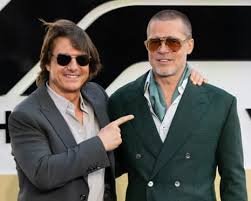
AI Video of Tom Cruise and Brad Pitt Sparks Hollywood Fears
A remarkably realistic AI-generated clip featuring Hollywood icons Tom Cruise and Brad Pitt engaged in a fight has sent ripples of concern throughout the entertainment industry. The video, created using AI technology, has prompted a leading Hollywood figure to suggest the industry as we know it may be facing an existential threat.
Rhett Reese, the co-writer behind blockbuster films like Deadpool & Wolverine, Zombieland, and Now You See Me: Now You Don’t, reacted strongly to the 15-second video. Posted by Irish filmmaker Ruairí Robinson (director of 2013’s The Last Days on Mars), the clip depicts Cruise and Pitt exchanging blows on a dilapidated bridge. Reese shared the video on social media, stating, “I hate to say it. It’s likely over for us.”
The Rise of AI in Filmmaking
Reese elaborated on his concerns, predicting a future where a single individual with a computer could create films indistinguishable from those currently produced by major Hollywood studios. While acknowledging the potential for low-quality output, he emphasized that a talented individual – someone with the vision of a Christopher Nolan, for example – could leverage this technology to create truly exceptional work. This raises serious questions about the future role of actors, writers, and directors.
Robinson revealed the video was generated using a simple “2 line prompt” within Seedance 2, the latest AI video generator released by TikTok’s parent company, ByteDance. This ease of creation is a key factor driving the anxiety within the industry.
Copyright Concerns and Legal Battles
The Motion Picture Association (MPA), the leading trade association for the film industry, has accused ByteDance of “unauthorised use of US copyrighted works on a massive scale.” AI systems are trained on vast datasets scraped from the internet, often including copyrighted material like films, art, and literature. This practice has ignited a debate about fair use and the need for compensation for creators.
Currently, numerous lawsuits are underway concerning these copyright disputes. Some companies, like Disney, are proactively seeking deals with AI firms, including OpenAI (the creators of ChatGPT), to navigate this evolving landscape. You can learn more about the legal challenges facing AI and copyright here.
MPA chair and CEO Charles Rivkin called on ByteDance to “cease its infringing activity,” arguing that their service operates without adequate safeguards against copyright infringement, jeopardizing the jobs of millions of Americans.
The Path Forward: Collaboration and Licensing
Beeban Kidron, a UK peer and advocate for stronger copyright laws, believes that AI companies must establish licensing agreements with the creative industries. She expressed optimism that both sides are willing to negotiate, but stressed the need for AI companies to present “a real offer” that adequately addresses the concerns of creators. Without such an agreement, Kidron warns of a decade of litigation and potential devastation for the creative sector.
ByteDance has been contacted for comment, but has not yet responded.
The Future of Hollywood
The emergence of AI video generation technology presents both challenges and opportunities for Hollywood. While the potential for job displacement is a legitimate concern, AI could also be used as a tool to enhance creativity and streamline the filmmaking process. The key will be finding a balance that protects the rights of creators while embracing the potential of this transformative technology.