Unveiling the Majesty: Exploring the 7 Wonders of America
As the United States approaches its historic semiquincentennial milestone on July 4, 2026, there is no better time to reflect on the natural treasures that define the American spirit. From the rugged peaks of the East to the volcanic shores of the Pacific, the landscape of the US is a tapestry of geological brilliance and biological diversity.
National Geographic Explorers have dedicated their lives to studying, photographing, and preserving these iconic sites. These aren’t just tourist destinations; they are living monuments to the power of nature. Let’s dive into the 7 wonders of America and the hidden gems that make this land truly extraordinary.
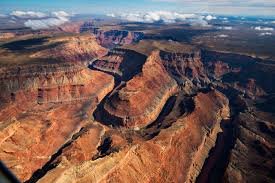
1. The Grand Canyon: A Geological Time Machine
More than just a vast gorge, the Grand Canyon is a window into Earth’s ancient past. Stretching up to 18 miles wide and over a mile deep, it reveals layers of rock—some dating back 1.8 billion years—that tell the story of our planet.
- n
- The Experience: Imagine the profound silence of the canyon, broken only by the whisper of bat wings at dawn.
- The Challenge: The Colorado River, the architect of this wonder, is facing a severe drought, threatening the delicate ecology of the region.
2. The Coastal Redwoods: Giants of the Mist
Along the northwestern coast, the Sequoia sempervirens create a prehistoric cathedral of green. These giants survive thanks to a unique relationship with the Pacific fog, absorbing vital nutrients like nitrogen and magnesium directly through their foliage.
Their resilience is inspiring; having survived for over 2,500 years through floods and fires, they stand as a symbol of endurance and strength.
3. Niagara Falls: The Power of Transformation
Forget the postcards—Niagara Falls is a dynamic system in constant motion. Born from the retreat of ice sheets 10,000 years ago, the falls are steadily eroding and migrating upstream.
This site serves as a powerful reminder that landscapes we perceive as permanent are actually in a state of immense transformation. Protecting the Great Lakes Basin is essential to ensuring the falls continue to roar for generations to come.
4. The Appalachian Mountains: A Cultural Corridor
Stretching 2,000 miles from Alabama to Canada, the Appalachians are more than mountains; they are a social and musical heartbeat of American culture. From synchronized fireflies in the Smoky Mountains to rare salamanders, the biodiversity here is staggering.
Conservation efforts by organizations like the Appalachian Trail Conservancy are crucial in maintaining migratory routes for black bears and bobcats.
5. The Everglades: The River of Grass
Florida’s Everglades are a subtropical marvel where freshwater meets the sea. Covering one-third of the state, this massive wetland hosts nine distinct habitats, including the Western Hemisphere’s largest mangrove thickets.
Conservation Success: The Florida panther population has seen a remarkable recovery, growing from just 20 individuals in 1995 to over 200 today, proving that protected land works.
6. Yellowstone: The World’s First National Park
Sitting atop a supervolcano, Yellowstone is a geothermal wonderland. With over 10,000 features, including the iconic Old Faithful geyser, it represents a radical historical idea: that breathtaking land should belong to all people, regardless of background.
Its legacy is as much about social progress as it is about the rainbow-ringed Grand Prismatic Spring.
7. The Hawaiian Archipelago: A Volcanic Laboratory
Hawaii is a living lesson in geology. Formed by a volcanic hotspot, the islands range from the ancient shores of Kaua’i to the still-growing Big Island. Mauna Kea, when measured from the ocean floor, is the tallest mountain on Earth.
Witnessing fresh lava cool into iridescent, glass-like films is a reminder of the magical subtleties that make us fall in love with the natural world.
Beyond the Seven: The Unseen America
The exploration doesn’t stop at these seven. In the flatlands of North Dakota, paleontologists are discovering dinosaur fossils that mark the exact moment of the asteroid impact that ended the Cretaceous period. Meanwhile, deep in the ocean, the EV Nautilus is charting the Mariana Trench, revealing that over 50% of U.S. territory actually lies underwater.
How You Can Help Preserve These Wonders
These landscapes are fragile. To ensure the 7 wonders of America survive another 250 years, we must:
- n
- Support watershed and freshwater conservation policies.
- Advocate for the expansion of protected wildlife corridors.
- Practice sustainable tourism to reduce the human footprint on delicate ecosystems.
How many of these wonders have you visited? Whether it’s the silence of the Grand Canyon or the mist of the Redwoods, the American landscape invites us all to be stewards of the earth.